

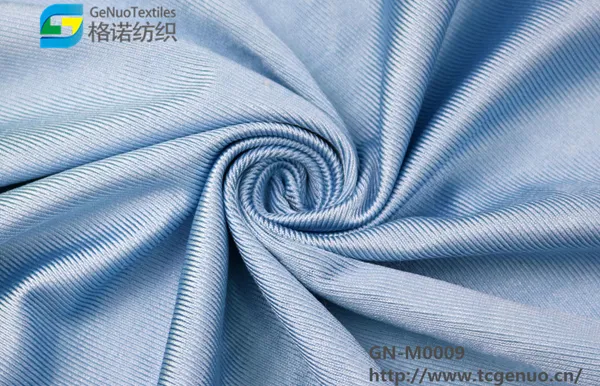
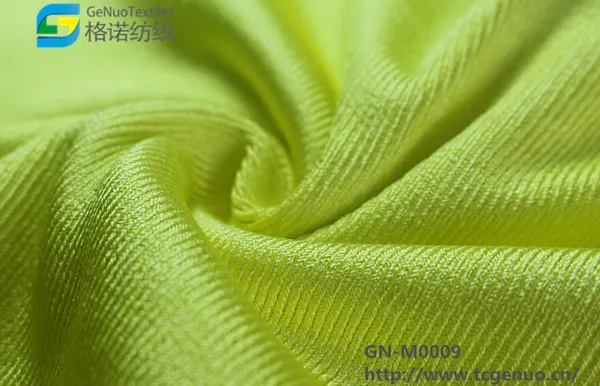
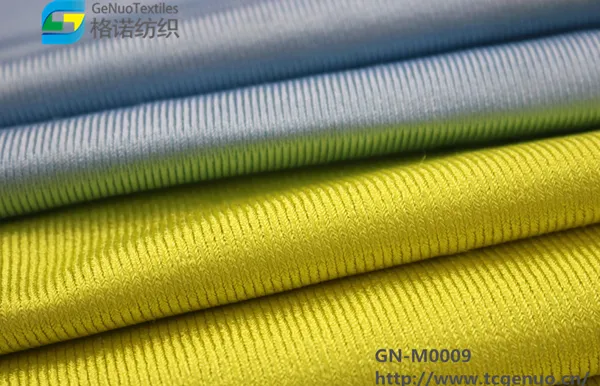
Product Code: GN-M0009
Material: Polyester/Nylon
Size: 150-220g
Color: Yellow, Blue, Green... Can be customized according to Pantone color codes or samples
Gram Weight: 200-400g
Uses: For cleaning household items, kitchens, cars, and electronic instruments
Description and Use:
(1) High absorbency and soft to the touch.
(2) Very durable and easy to clean without detergent.
(3) Contains no chemicals and has no unpleasant odor.
(4) Soft, comfortable, and pleasant to the touch.
(5) Suitable for cleaning various cars, kitchenware, furniture, and pet supplies.
Color: As per customer requirements
Packaging: Standard export packaging or customized packaging as per customer requirements
Origin: Jiangsu, China
Payment Method: Bank transfer, Alipay, WeChat
Minimum Order Quantity: 2000 pieces
Glossy Glass Cloth is a composite material made from glass fiber as the base. Through special manufacturing processes and surface treatments, its surface exhibits a glass-like gloss while retaining the flexibility and malleability of fabric.
E-glass: Also known as alkali-free glass fiber, it is the most commonly used type, featuring excellent electrical insulation, mechanical strength, and chemical corrosion resistance.
C-glass: Known as medium-alkali glass fiber, it has good chemical resistance, especially acid resistance, and is relatively cost-effective.
S-glass: High-strength glass fiber with greater tensile strength and elastic modulus than E-glass, suitable for applications requiring high mechanical performance.
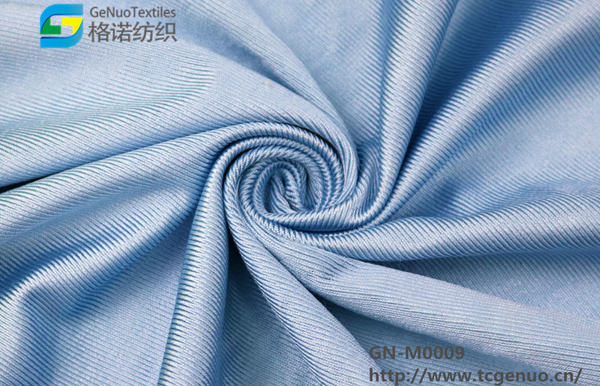
High Gloss: Smooth, shiny surface that reflects light and creates subtle light-and-shadow effects under different lighting conditions, adding dynamic visual appeal.
High Strength: Glass fibers provide excellent tensile and tear resistance, making the cloth durable and long-lasting.
Heat Resistance: Capable of withstanding high temperatures without deformation or damage.
Good Insulation: When made with E-glass, the cloth provides excellent electrical insulation, suitable for electrical applications.
Flexibility: Despite being glass-fiber-based, special processing gives the cloth sufficient flexibility for cutting, processing, and installation.
Weaving Methods: Common weaves include plain weave, twill weave, and satin weave.
Plain weave: smooth surface, uniform strength.
Twill weave: softer hand feel with diagonal texture, good strength.
Satin weave: very smooth and glossy surface, higher sheen but slightly lower strength.
Surface Treatment: To achieve gloss and enhanced performance, the cloth may be treated with silane coupling agents or coatings such as PTFE or silicone to improve adhesion, water resistance, oil resistance, and wear resistance.
Edge Treatment: Edges are often heat-sealed or bound to prevent fraying and fiber shedding.
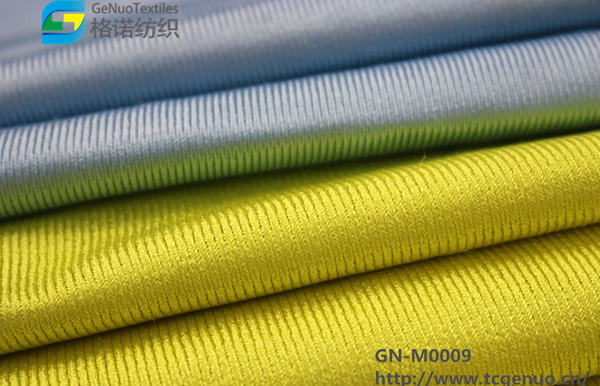
Decorative Use: Ideal for wall coverings, furniture upholstery (sofas, chairs), curtains, or decorative panel backdrops, enhancing both brightness and texture in interior spaces.
Lighting: Can be used for lampshades, providing soft light diffusion and creating unique lighting effects; works well with hidden lighting to produce artistic light-and-shadow effects.
Glossy Glass Cloth generally requires minimal maintenance. Avoid scratching with sharp objects. For cleaning, wipe with a damp cloth as needed. For stubborn stains, use a mild cleaning agent, avoiding strong acids, alkalis, or corrosive cleaners.
This website uses cookies to ensure you get the best experience on our website.
 Español
 Portugues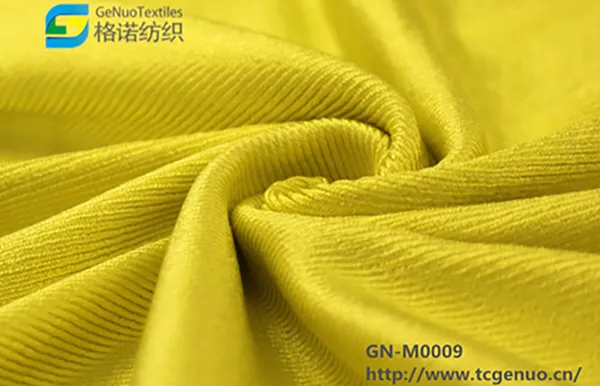



 Phone
Phone