

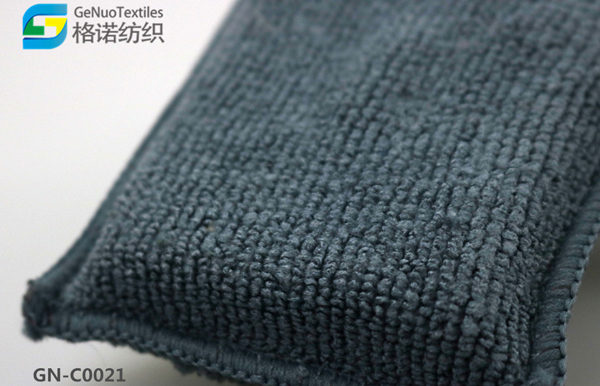
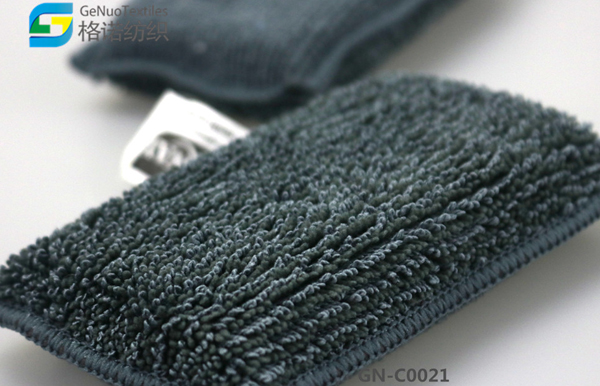
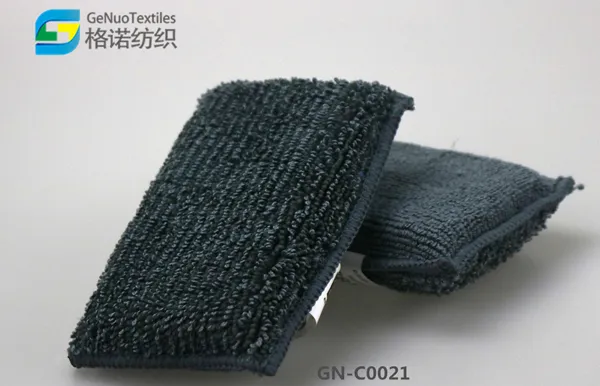
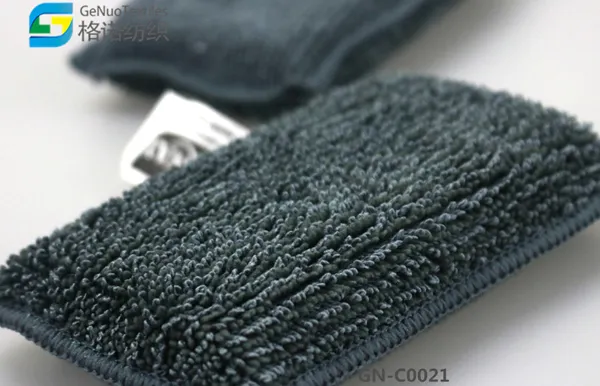
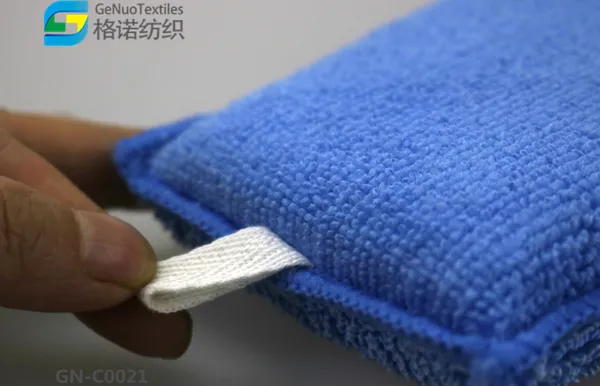
Product Number: GN-C0021
Material: Polyester/Nylon + Sponge
Size: 8*13CM
Colors: Blue, Gray, Coffee… Can be customized according to Pantone color codes or samples
Uses: For cleaning household items, kitchens, cars, and electronic instruments
Description and Use:
(1) High absorbency and soft to the touch.
(2) Very durable and easy to clean without detergent.
(3) Contains no chemicals and has no unpleasant odor.
(4) Soft, comfortable, and pleasant to the touch.
(5) Suitable for cleaning various cars, kitchenware, furniture, and pet supplies.
Color: As per customer requirements
Packaging: Standard export packaging or customized packaging as per customer requirements
Origin: Jiangsu, China
Payment Method: Bank transfer, Alipay, WeChat
Minimum Order Quantity: 2000 pieces
Contact Person:
Ms. Xiao: +86 18906226220/15306222870 (WeChat)
The sponge wipe block is a cleaning tool made from a sponge base, processed by cutting, laminating, and surface treatment. Its porous structure and flexible form make it widely used in home, kitchen, and industrial settings for effective cleaning and stain removal.
Basic Sponge Base
Commonly made from polyurethane sponge, with some versions using cellulose sponge (natural material). The characteristics differ significantly:
Polyurethane Sponge: Uniform pores, good elasticity, strong water and oil absorption, adjustable density (low density soft and fluffy, high density firm and durable), wear-resistant; main material for household sponge blocks.
Cellulose Sponge: Made from wood pulp and cotton fibers, biodegradable, fast water absorption, becomes flexible when wet; ideal for cleaning dishes, fruits, and vegetables in direct contact with food.
Common Composite Structures
Many sponge blocks use composite designs to enhance cleaning power:
Single-Sided Abrasive Layer: One side sponge, other side coated with scouring material or sanding layer; suitable for stubborn stains on pans, stoves, etc.
Double-Sided Functional Composite: Two sides with different sponge densities; soft side cleans delicate surfaces, firm side handles light tough stains, balancing gentle cleaning and stain removal.
Multi-Layer Sandwich Structure: Central layer may include water-absorbing resin or antibacterial layer, improving water absorption and inhibiting bacterial growth; suitable for humid environments.
Forming Process
Cutting: Large sponge blocks are cut into square, round, or shaped pieces (e.g., wavy edge, cartoon shapes); edges may be smooth or slightly rough.
Lamination: Heat or adhesive bonding attaches sponge to abrasive layer; bond strength tested to prevent delamination.
Compression: Some sponge blocks are compressed and shaped; they expand upon contact with water, making them convenient for storage.
Functional Treatments
Antibacterial: Silver ions or quaternary ammonium salts added to inhibit E. coli, Staphylococcus aureus, and other bacteria, reducing odors in humid conditions.
Deodorization: Optimized pore structure or activated carbon layer absorbs odors, extending lifespan.
Hydrophilic/Oleophobic Treatment: Surface coating increases water absorption while preventing oil adhesion, simplifying rinsing.
| Category | Typical Range |
|---|---|
| Density | Household: 15–30 kg/m³; Industrial: 30–50 kg/m³ |
| Size | Household Square: 6×8×2cm, 8×10×3cm; Custom shapes as needed |
| Water Absorption | Can absorb 10–20 times its weight in water |
| Abrasion Resistance | Household ≥500 times; Industrial abrasive ≥1000 times |
Dual Water & Oil Absorption
Porous structure absorbs water and oil quickly; can clean surfaces without repeated soaking; water and oil easily released upon squeezing, allowing reuse.
Soft & Non-Scratching
Sponge surface is gentle; safe for glass, ceramics, stainless steel; ideal for dishes, appliance exteriors, or car interiors.
Flexible, Convenient & Cost-Effective
Compact, easy to hold, customizable sizes; low unit cost makes frequent replacement affordable.
Wide Application Scenarios
Different sponge structures fit various cleaning needs in homes, kitchens, and industrial environments.
Kitchen Cleaning: Dishes, countertops, stove, range hood; abrasive versions remove pan or grill residues.
Household Cleaning: Tables, floors, windows, bathroom tiles; furniture dust and water marks.
Industrial Cleaning: High-density sponge blocks for machinery, metal components; abrasive versions for light rust removal.
Special Uses: Cellulose sponge for cleaning fruits/vegetables; compressed sponge for travel convenience.
Usage Restrictions
Do not use abrasive sponges on painted, acrylic, or screen surfaces.
Avoid prolonged exposure to strong acids or bases to prevent material degradation.
Rinse thoroughly after contact with food surfaces to remove cleaning agents.
Care Instructions
Rinse with clean water after use, squeeze out excess liquid, air-dry in a ventilated area to prevent bacterial growth.
Replace regularly (1–2 weeks for kitchen use) to prevent bacterial accumulation.
Do not expose to high heat; avoid flames or microwaves/ovens.
This website uses cookies to ensure you get the best experience on our website.
 Español
 Portugues



 Phone
Phone