

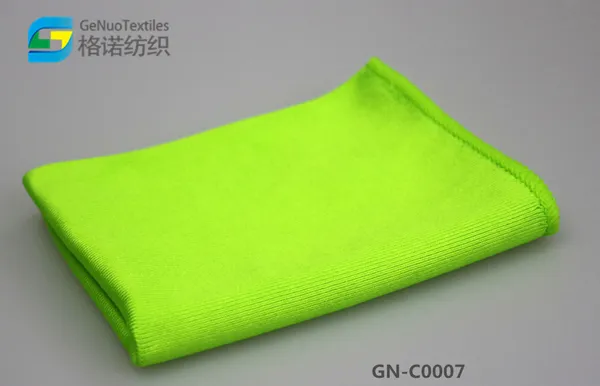
Item Number: GN-C0019
Material: Polyester/Nylon 8020
Size: 28*38CM
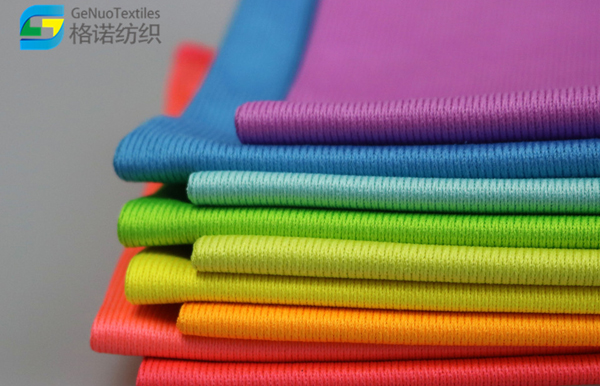
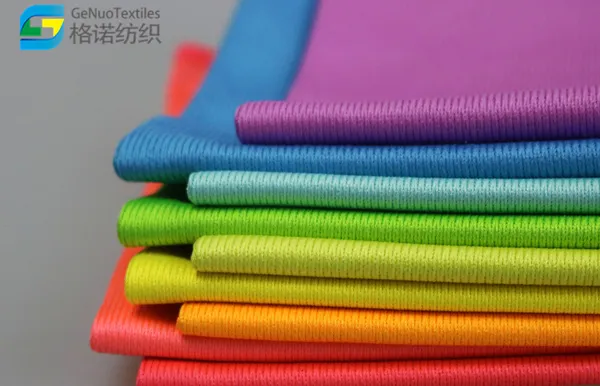
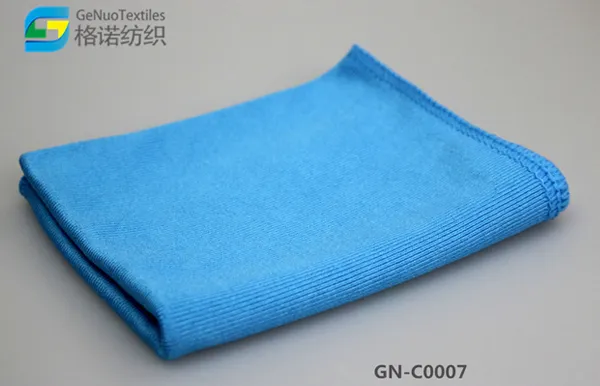
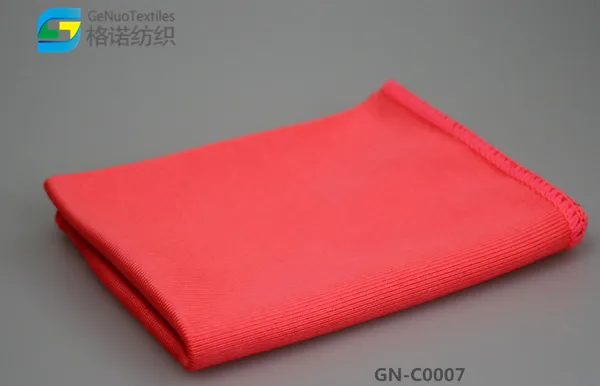
Colors: Red, Yellow, Green, Blue... Can be customized according to Pantone color codes or samples
Weight per Square Meter: 310g
Uses: For cleaning household items, kitchens, cars, and electronic instruments
Description and Use:
(1) High absorbency and soft to the touch.
(2) Very durable and easy to clean without detergent.
(3) Contains no chemicals and has no unpleasant odor.
(4) Soft, comfortable, and pleasant to the touch.
(5) Suitable for cleaning various cars, kitchenware, furniture, and pet supplies.
Color: According to customer requirements
Packaging: Standard export packaging or customized packaging according to customer requirements
Origin: Jiangsu, China
Payment Method: Bank transfer, Alipay, WeChat
Minimum Order Quantity: 2000 pieces
Contact Person:
Ms. Xiao: +86 18906226220/15306222870 (WeChat)
Fiberglass towels are functional cleaning cloths made primarily from glass fiber, designed for high-performance cleaning tasks. Unlike traditional cotton or polyester towels, fiberglass towels excel in high-temperature resistance, chemical corrosion resistance, and ultra-clean performance, making them widely used in industrial, laboratory, and other professional environments.
Main material: E-glass (alkali-free) or medium-alkali glass fiber with fiber diameters ranging from 6–13 μm. Single fibers are strong and have higher elastic modulus than cotton or polyester fibers.
Alkali-free glass fiber: Alkali content <0.8%, chemically stable, corrosion-resistant, electrically insulating, and the most common raw material for fiberglass towels.
Medium-alkali glass fiber: Lower cost, slightly weaker acid resistance, suitable for less demanding cleaning tasks.
Some products feature fiber impregnation treatment to reduce brittleness, improve flexibility, and minimize shedding.
Basic weaving: Plain weave, twill, or satin weave. Plain weave provides uniform density and durability, twill offers flexibility, satin has smooth surfaces for precise wiping.
Surface treatment: Processes like heat-setting, singeing, and calendering remove loose fibers and create a smooth, lint-free surface. Some high-end towels have silicone oil coatings to reduce static and dust attraction.
| Category | Typical Range |
|---|---|
| GSM (weight) | 80–200 g/㎡; higher GSM = thicker, more durable fabric |
| Size | Industrial: 30×30cm, 40×40cm; General: 30×60cm, 50×80cm |
| Thickness | 0.1–0.3 mm; thin for delicate wiping, thick for heavy oil or dirt |
| Temperature Range | -50℃ to +300℃; suitable for high-temperature equipment |
High-Temperature and Corrosion Resistance
Glass fibers are non-flammable and withstand temperatures up to 300℃. Ideal for wiping hot industrial equipment, ovens, or chemical-resistant surfaces without reacting with strong acids and bases (except hydrofluoric acid).
Ultra-Clean, Lint-Free
Singeing and calendering remove loose fibers, preventing lint during cleaning. Perfect for precision instruments, optical lenses, and electronic components without scratching or contamination.
Water and Oil Absorption
Fibers’ capillary structure absorbs 3–5 times their weight in water or oil, leaving surfaces streak-free and clean, improving Cleaning efficiency compared to standard cotton towels.
Durable and Reusable
High fiber strength resists tearing and deformation. Can withstand repeated washing, abrasion, and maintains structure for 5–8 times longer than ordinary cleaning towels.
Industrial: Cleaning oil and dust on machinery, molds, metal components, high-temperature furnaces, and boiler walls. Precision cleaning for electronics manufacturing.
Laboratory: Cleaning glassware and lab instruments without lint, wiping surfaces exposed to corrosive reagents (except hydrofluoric acid).
Household: Oven, microwave, kitchen range hood, and automotive engine cleaning; avoids scratches with care.
Specialized: High-temperature cleaning in firefighting or metallurgy, aerospace precision component cleaning.

Avoid hydrofluoric acid, concentrated phosphoric acid, or other highly corrosive substances.
Use thin satin weave towels for delicate surfaces like painted metal or acrylic to prevent scratches.
Do not expose to temperatures above 500℃ for long periods, as fibers may become brittle.
Wash with neutral detergent at ≤40℃; gentle hand or machine wash. Avoid aggressive scrubbing.
Air dry in a ventilated area; avoid direct sunlight to prevent fiber aging.
Store in a dry environment; avoid sharp objects and damp conditions.
Direct contact with untreated fiberglass may cause slight skin irritation; wearing gloves is recommended.
Wash after use to remove any residual fibers.
This website uses cookies to ensure you get the best experience on our website.
 Español
 Portugues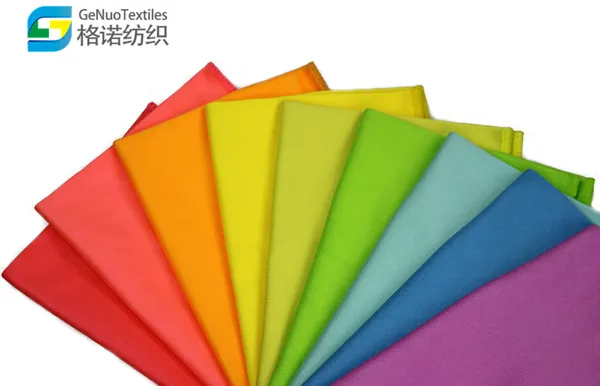



 Phone
Phone