

Cat outerwear refers to wearable garments designed specifically for pet cats, combining warmth, protection, and aesthetics. These garments are suitable for different seasons, usage scenarios, and body types. Material selection and design focus on feline comfort, ensuring freedom of movement without restriction.
| Category | Material Features | Suitable Scenarios |
|---|---|---|
| Thermal Styles | Inner layers of coral fleece, flannel, or sherpa fleece; outer layers of windproof polyester or cotton-poly blends; some include padded insulation with a thickness of 5–10 mm | Autumn and winter low-temperature environments, especially suitable for short-haired cats, kittens, senior cats, and homes with large indoor-outdoor temperature differences |
| Sun-Protection & Insect-Resistant Styles | Lightweight, breathable polyester mesh or cooling fabric with high density and good light transmission | Summer outdoor activities, protecting skin from UV exposure while blocking mosquitoes and pollen |
| Waterproof Rain Ponchos | Waterproof PVC or TPU-coated outer layer with a lightweight cotton lining and hooded design | Rainy outdoor conditions to prevent fur from getting wet and cold |
| Shedding-Control Styles | High-elastic knitted fabrics with a snug but non-restrictive fit and cuffed openings | Daily indoor wear to reduce fur shedding on furniture and clothing, while making grooming easier |
| Festive & Decorative Styles | Various materials such as cotton, polyester, and mesh, with embroidery, bows, or sequins | Holidays, pet birthdays, and photo shoots to enhance visual appeal |
Vest Style: Sleeveless design that is easy to put on and take off, allowing free movement of the front legs; suitable for most cats for daily wear.
Four-Legged Suit: Covers all limbs for enhanced warmth; suitable for long-haired cats or short outdoor use in winter. Proper cuff elasticity is important to avoid affecting walking.
Cape or Cloak Style: Secured with neck ties or hook-and-loop fasteners; lightweight and decorative, ideal for light warmth or styling.
One-Piece Suit: Integrated design offering good coverage and effective shedding control. High-elastic fabrics are recommended to avoid restricting curling, jumping, or stretching.
Thermal Fabrics: Coral fleece and flannel are soft, skin-friendly, and resistant to pilling; sherpa fleece provides superior insulation for colder conditions.
Lightweight Fabrics: Cooling fabrics and polyester mesh offer breathability and moisture control for summer use; cotton-poly blends balance comfort and durability for year-round wear.
Functional Fabrics: Waterproof-coated materials are stain-resistant and easy to clean; anti-static fabrics reduce dust and hair adhesion, ideal for long-haired cats.
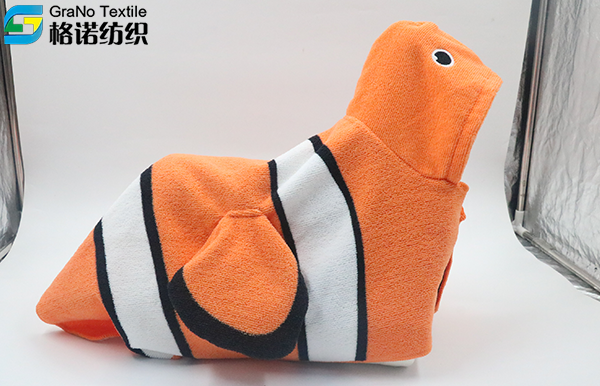
Fastening Methods: Hook-and-loop closures or snap buttons are preferred over ties, allowing easy adjustment and preventing pressure on the neck or abdomen.
Edge Finishing: Bound or overlocked edges prevent fraying. Sharp decorative elements such as metal studs should be avoided to protect the cat’s skin.
Sizing Fit: Designed according to chest circumference, neck circumference, and body length. Proper fit allows one to two fingers of space; overly tight garments may cause stress or breathing difficulty.
Accurate Sizing: Measure neck circumference (narrowest point), chest circumference (widest point), and body length (from neck base to tail root). Always follow the size chart rather than relying solely on weight.
Fabric Safety: Choose odor-free fabrics without fluorescent agents to avoid skin irritation. Long-haired cats should avoid materials prone to snagging.
Function First: Select styles based on use—vest-style shedding control for indoor wear, padded four-legged suits for winter outdoor use.
Adaptation Training: For first-time wear, allow short trial periods (5–10 minutes) and use treats as positive reinforcement to reduce stress.
Limited Wear Time: Daily wear should not exceed four hours to avoid interfering with grooming or licking behavior.
Cleaning and Care: Hand wash or use gentle machine wash at temperatures ≤30°C with mild detergent. Avoid direct sun exposure to prevent fading or fabric stiffening. Inspect regularly and replace if damaged.
By Age: Kittens and senior cats, with weaker temperature regulation, benefit from thermal styles; adult cats can choose decorative or functional styles as needed.
By Breed: Short-haired breeds (e.g., British Shorthair, American Shorthair) may require warmth in autumn and winter; long-haired breeds (e.g., Ragdoll, Persian) are suitable for shedding-control or lightweight summer styles; hairless breeds (e.g., Sphynx) require year-round thermal and sun-protective outerwear.
This website uses cookies to ensure you get the best experience on our website.
 Español
 Portugues



 Phone
Phone