

Microfiber Fabric has revolutionized modern cleaning methods, offering exceptional efficiency and sustainability. Its unique structure and advanced fiber technology make it one of the most effective materials for household, commercial, and industrial cleaning. Understanding the science behind microfiber fabric helps consumers and professionals optimize its use, ensuring cleaner surfaces, reduced chemical dependence, and long-lasting performance.
Microfiber fabric is a synthetic textile made from ultra-fine fibers, typically polyester, polyamide (nylon), or a blend of both. The fibers are split during production, creating extremely thin filaments, often less than one denier in diameter. A denier is a unit of measure for the linear mass density of fibers, and microfiber filaments are roughly 100 times finer than a human hair. This small diameter increases surface area, enhancing the fabric’s ability to capture dirt, dust, and moisture.
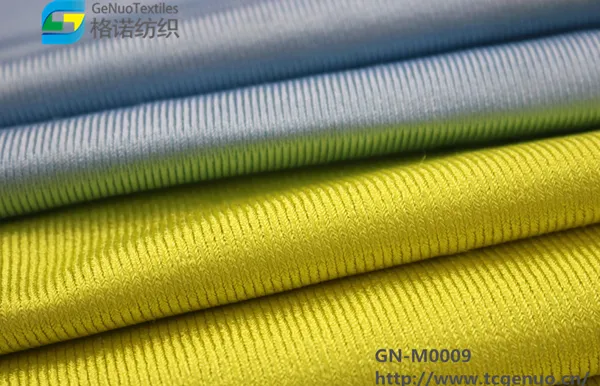
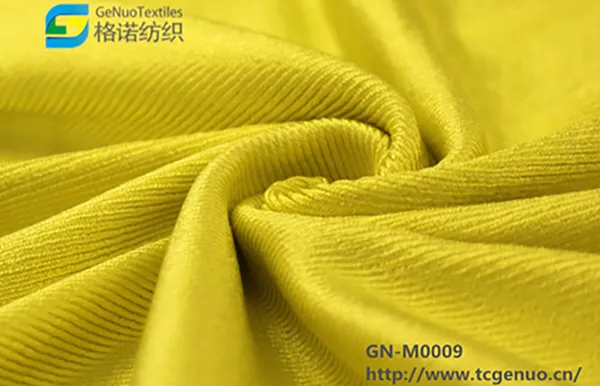
The high density of microfibers gives the fabric a unique texture, combining softness with durability. Microfiber fabric can be woven or knitted into various forms, including terry cloth, suede-like textures, and waffle weaves, each optimized for specific cleaning tasks.
The Superior cleaning power of microfiber fabric is largely due to its structure. Microfibers are split into multiple microfilaments, which create tiny hooks and channels. These microchannels trap dust, dirt, and bacteria, while the hooks lift particles from surfaces without scratching. This structure also increases absorption, allowing microfiber fabric to hold multiple times its weight in water or cleaning solution.
The microscopic size of the fibers ensures that even fine dust and allergens are captured effectively. Traditional cotton or synthetic cloths lack the fine filaments required to trap particles efficiently, which is why microfiber is preferred for streak-free and high-precision cleaning.
Microfiber fabrics are produced in several varieties to meet different cleaning needs:
Terry Microfiber: Looped microfibers similar to traditional terry cloth towels, ideal for drying and polishing.
Woven Microfiber: Flat weave with dense fibers, suitable for streak-free glass and mirror cleaning.
Knitted Microfiber: Stretchable and soft, used for delicate surfaces and electronics.
Suede-Like Microfiber: Smooth, non-abrasive surface for furniture, car interiors, and sensitive items.
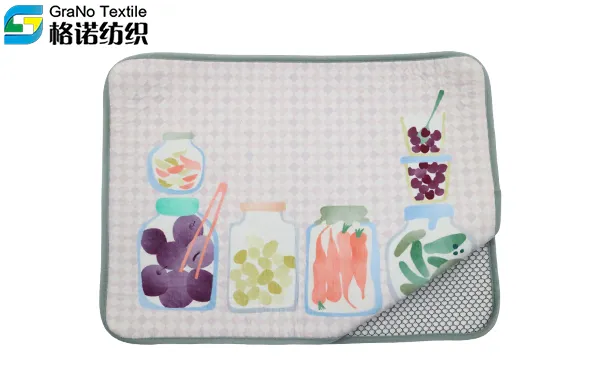
Waffle Weave Microfiber: Grid pattern enhances absorption and scrubbing efficiency for kitchen and bathroom use.
Each type of microfiber fabric is engineered for maximum Cleaning efficiency while minimizing surface damage and chemical use.
Microfiber fabric cleans through a combination of mechanical and electrostatic effects:
Mechanical Cleaning: Microfiber’s fine filaments lift and trap dirt, dust, and grease. The split fibers create friction against surfaces, loosening particles without the need for abrasive scrubbing.
Electrostatic Effect: Synthetic fibers develop a mild static charge when used dry. This charge attracts dust and small particles, enhancing cleaning efficiency, especially on glass, electronics, and hard surfaces.
Capillary Action: Microfibers draw in liquids through capillary channels between the split fibers, increasing absorption and enabling fast drying. This makes Microfiber Towels ideal for drying wet surfaces, wiping spills, and polishing without streaks.
Antibacterial Benefits: Some microfiber fabrics are treated to reduce microbial growth. By trapping bacteria and preventing surface contact, microfiber contributes to hygienic cleaning with minimal chemical disinfectants.
Microfiber fabric offers multiple advantages over traditional cleaning materials:
High Absorbency: Microfiber Towels can absorb up to seven times their weight in water.
Streak-Free Cleaning: Ideal for glass, mirrors, and polished surfaces.
Durable and Long-Lasting: Can withstand hundreds of washes without losing cleaning efficiency.
Eco-Friendly: Reduces the need for chemical cleaners, saving water and cleaning agents.
Non-Abrasive: Safe for delicate surfaces, including electronics and polished metals.
Dust and Allergen Trapping: Captures fine particles that ordinary cloths leave behind.
These benefits explain why microfiber has become the standard in households, professional cleaning, and industrial settings.
Microfiber fabric is extensively used in households for dusting, mopping, and polishing. microfiber cloths and towels remove dirt and smudges from countertops, appliances, mirrors, and glass surfaces. Waffle weave or terry microfiber towels are ideal for kitchens and bathrooms, providing quick absorption and streak-free drying.
In commercial environments such as offices, hotels, and hospitals, microfiber is preferred for its efficiency and hygiene. It minimizes cleaning time while maximizing cleanliness. Microfiber mops, pads, and wipes can capture allergens, dust mites, and bacteria more effectively than cotton cloths.
Microfiber fabric is essential in automotive detailing and industrial applications. It safely cleans vehicle surfaces, windows, and interiors without scratching paint or delicate materials. In industrial settings, microfiber cloths handle polishing and precision cleaning of machinery and electronic equipment.
Proper care extends the life and performance of microfiber fabrics:
Washing: Use mild detergent and cold or warm water (≤40°C). Avoid bleach and fabric softeners, as they coat fibers and reduce cleaning efficiency.
Drying: Air dry or use low-temperature tumble drying (≤60°C). High heat can damage synthetic fibers.
Storage: Store clean, dry microfiber towels separately from rough fabrics to prevent snagging.
Avoid Contamination: Use separate microfiber cloths for different tasks to prevent cross-contamination, especially in kitchens or medical settings.
Myth 1: Microfiber Requires Chemicals – Microfiber often cleans effectively with water alone, reducing chemical use.
Myth 2: All Microfiber is the Same – Fiber density, split type, and weave determine performance. High-quality microfiber outperforms cheap versions.
Myth 3: Microfiber Wears Out Quickly – Properly cared-for microfiber can last over 500 wash cycles without significant loss of efficiency.
Recent advances in microfiber technology have improved cleaning power and versatility:
Antibacterial Treatments: Silver ion coatings reduce bacterial growth.
Hybrid Weaves: Combining terry and suede textures enhances both absorbency and polishing.
Nanotechnology: Fiber surface treatments increase dust attraction and stain resistance.
Eco-Friendly Production: New microfiber fabrics use recycled polyester and nylon, reducing environmental impact.
When compared to cotton, terry, or paper towels, microfiber fabric consistently outperforms in multiple areas:
Efficiency: Captures 99% of bacteria and dust with minimal effort.
Absorption: Holds significantly more liquid than cotton or paper.
Durability: Retains shape and performance over hundreds of washes.
Environmental Impact: Reduces chemical usage and waste generation.
Selecting the ideal microfiber fabric depends on intended use:
Glass and Mirrors: Woven microfiber with high density for streak-free shine.
Kitchen and Bathroom: Waffle weave or terry microfiber for absorption.
Automotive Detailing: Suede-like microfiber for scratch-free polishing.
Industrial and Precision Cleaning: Microfiber with tight split fibers and high fiber count.
Proper selection ensures maximum cleaning efficiency and prolonged fabric life.
The future of microfiber fabric is driven by sustainability, hygiene, and innovation. Eco-friendly fibers, improved antibacterial properties, and hybrid weaves are set to expand applications across households, commercial spaces, and healthcare. As cleaning standards rise globally, microfiber fabric remains an indispensable material for superior cleaning performance.
Microfiber fabric combines advanced fiber technology with practical benefits, offering unmatched cleaning efficiency, durability, and versatility. Its superior cleaning power arises from ultra-fine split fibers, high density, and specialized weaves that trap dirt, dust, and moisture effectively. By selecting the right type of microfiber fabric and maintaining it properly, users can achieve streak-free, hygienic, and environmentally responsible cleaning results.
This website uses cookies to ensure you get the best experience on our website.
 Español
 Portugues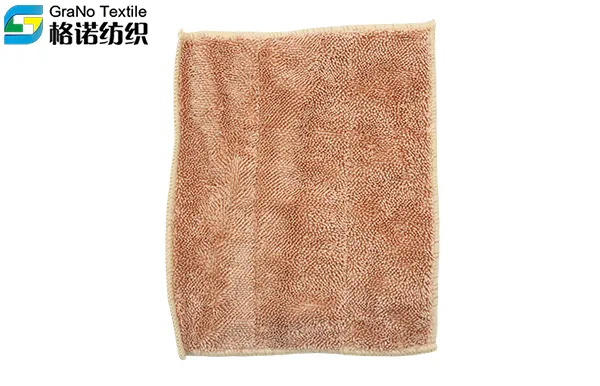



 Phone
Phone
Comment
(0)