

Auto detailing is no longer limited to professional workshops. More vehicle owners now focus on careful, surface-safe cleaning at home, and microfiber cleaning cloths have become essential tools in this process. Compared with traditional cotton towels or paper wipes, microfiber cleaning cloths provide superior dirt capture, higher absorbency, and safer contact with sensitive automotive surfaces.
Choosing the best microfiber cleaning cloths for auto detailing requires understanding fabric structure, fiber composition, pile height, weaving methods, and usage scenarios. This guide explains how microfiber cleaning cloths work, why they outperform conventional materials, and how to select the right microfiber cleaning cloths for every stage of auto detailing.
Microfiber cleaning cloths are made from ultra-fine synthetic fibers, typically a blend of polyester and polyamide. Each fiber is significantly thinner than a human hair. This microscopic structure is the foundation of why microfiber cleaning cloths excel in auto detailing.
When microfiber cleaning cloths are split during production, they form wedge-shaped filaments. These filaments create millions of tiny pockets that trap dust, oil, water, and debris instead of pushing contaminants across the surface. This trapping mechanism is especially important in auto detailing, where paint, glass, and interior trims can be easily scratched.
Microfiber cleaning cloths differ from standard cloths not only in fiber size but also in performance consistency. The uniformity of microfiber cleaning cloths ensures reliable cleaning results across large vehicle surfaces.
Auto detailing requires removing abrasive particles without damaging surfaces. Microfiber cleaning cloths capture dirt within their fibers, reducing friction between contaminants and paintwork. This feature makes microfiber cleaning cloths safer for clear coats, headlights, mirrors, and glossy interior panels.
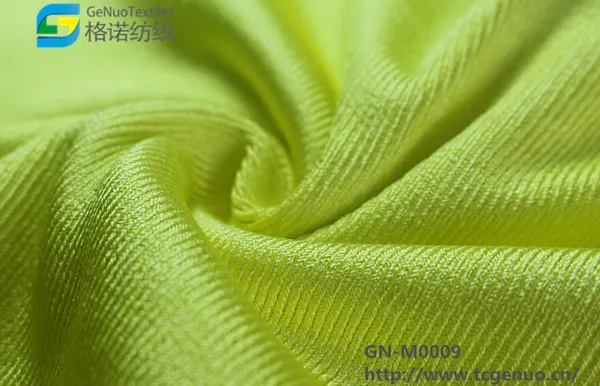
Microfiber cleaning cloths can absorb several times their own weight in water. This makes them ideal for drying vehicles after washing, wiping off detailing sprays, or polishing waxed surfaces. Unlike cotton towels, microfiber cleaning cloths do not leave lint or water streaks behind.
Because microfiber cleaning cloths clean efficiently with water alone, they reduce the need for harsh chemicals. This not only protects vehicle surfaces but also supports environmentally responsible auto detailing practices.
High-quality microfiber cleaning cloths withstand repeated washing and reuse. Their durability makes them cost-effective for both professional auto detailing operations and home users.
Not all microfiber cleaning cloths are the same. Different auto detailing tasks require specific fabric characteristics.
Low-pile microfiber cleaning cloths feature short fibers and a smooth surface. They are ideal for cleaning glass, mirrors, navigation screens, and instrument panels. The tight weave minimizes lint and ensures streak-free finishes.
Medium-pile microfiber cleaning cloths offer a balance between absorbency and control. They are commonly used for general exterior cleaning, spray wax removal, and interior surface wiping.
High-pile microfiber cleaning cloths have long, plush fibers that provide extra cushioning. These microfiber cleaning cloths are preferred for polishing paint, removing wax or sealants, and handling delicate finishes. The thick pile reduces pressure points that could cause swirl marks.
Dual-pile microfiber cleaning cloths combine short fibers on one side and long fibers on the other. This design allows one microfiber cleaning cloth to perform multiple auto detailing tasks efficiently.
The weave pattern of microfiber cleaning cloths affects performance and application.
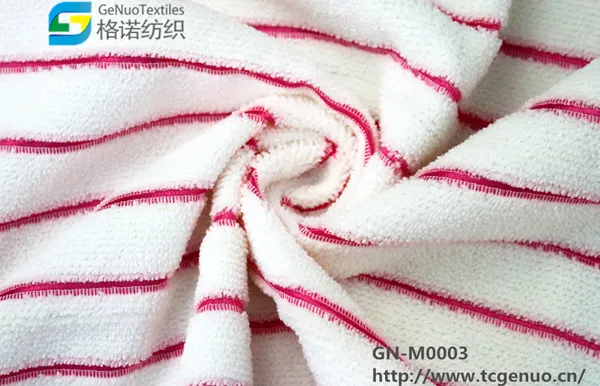
Terry weave microfiber cleaning cloths have looped fibers that enhance absorbency. They are widely used for drying vehicles and cleaning heavily soiled surfaces.
Waffle weave microfiber cleaning cloths feature a grid-like texture that increases surface area. These microfiber cleaning cloths are especially effective for drying glass and body panels quickly without streaking.
Flat weave microfiber cleaning cloths are thin and smooth, making them suitable for final wipe-downs, window cleaning, and polishing sensitive interior components.
GSM (grams per square meter) is a critical measurement for microfiber cleaning cloths. It indicates fabric density and thickness.
200–300 GSM microfiber cleaning cloths: Lightweight, best for glass and screens
300–400 GSM microfiber cleaning cloths: General-purpose auto detailing use
400–600 GSM microfiber cleaning cloths: Polishing, waxing, and drying
600+ GSM microfiber cleaning cloths: Heavy-duty drying and luxury detailing
Selecting the appropriate GSM ensures microfiber cleaning cloths perform optimally without overloading fibers or causing residue buildup.
Proper usage of microfiber cleaning cloths is essential for preventing damage during auto detailing.
Microfiber cleaning cloths should be separated by task. Using the same microfiber cleaning cloths for wheels and paintwork increases the risk of transferring abrasive particles.
Folding microfiber cleaning cloths into quarters increases usable surface area and helps maintain consistent pressure during cleaning.
Microfiber cleaning cloths work best with light pressure. Excessive force reduces fiber efficiency and increases the risk of surface abrasion.
Exterior detailing demands microfiber cleaning cloths that can handle water, grime, and protective products.
During washing, microfiber cleaning cloths help remove loosened dirt safely. Plush microfiber cleaning cloths are ideal for minimizing swirl marks during contact washing.
Drying is one of the most critical steps in auto detailing. Waffle weave and high-GSM microfiber cleaning cloths absorb water quickly and evenly, preventing mineral spots.
Microfiber cleaning cloths with soft, long fibers distribute wax evenly and remove residue without scratching clear coats.
Interior surfaces require microfiber cleaning cloths that are gentle yet effective.
Low-pile microfiber cleaning cloths remove dust without leaving lint on textured or glossy trims.
Microfiber cleaning cloths lift dirt from fabric seats and leather surfaces while minimizing moisture saturation.
Flat weave microfiber cleaning cloths are best for screens, gauges, and touch panels due to their smooth finish.
Traditional cotton towels push dirt across surfaces, increasing the risk of scratches. They also absorb less water and leave lint behind. In contrast, microfiber cleaning cloths trap dirt, dry faster, and provide consistent results.
Paper towels may appear convenient but can leave residue and microscopic scratches. Microfiber cleaning cloths outperform paper products in durability and cleaning precision, making them essential for professional-level auto detailing.
Proper care extends the life of microfiber cleaning cloths and maintains performance.
Wash microfiber cleaning cloths separately from cotton fabrics
Use mild detergent without fabric softeners
Wash in warm or cool water
Air dry or tumble dry on low heat
Avoid high temperatures that damage fibers
Store microfiber cleaning cloths in clean, dry containers to prevent contamination.
Reusable microfiber cleaning cloths reduce waste generated by disposable wipes and paper towels. Their efficiency also decreases the need for chemical cleaners, making microfiber cleaning cloths an environmentally responsible choice for auto detailing.
When selecting microfiber cleaning cloths for auto detailing, consider:
Intended application (glass, paint, interior)
GSM and pile height
Weave type
Edge finishing (edgeless or stitched)
Matching microfiber cleaning cloths to specific tasks ensures safer, more effective results.
Using one cloth for multiple dirty areas
Washing microfiber cleaning cloths with lint-producing fabrics
Applying excessive pressure during cleaning
Using fabric softeners that clog fibers
Avoiding these mistakes preserves the effectiveness of microfiber cleaning cloths.
Advancements in fiber splitting technology and eco-friendly production methods continue to improve microfiber cleaning cloths. New designs focus on higher durability, improved absorbency, and enhanced surface safety, reinforcing the role of microfiber cleaning cloths in modern auto detailing.
Microfiber cleaning cloths have transformed auto detailing by offering safer, more efficient, and more consistent cleaning performance. From washing and drying to polishing and interior care, microfiber cleaning cloths outperform traditional materials in every stage of vehicle maintenance.
Understanding fabric structure, GSM, weave types, and proper care allows users to choose the best microfiber cleaning cloths for auto detailing. Whether for professional use or personal vehicle care, microfiber cleaning cloths remain an essential investment for maintaining automotive appearance and surface integrity.
This website uses cookies to ensure you get the best experience on our website.
 Español
 Portugues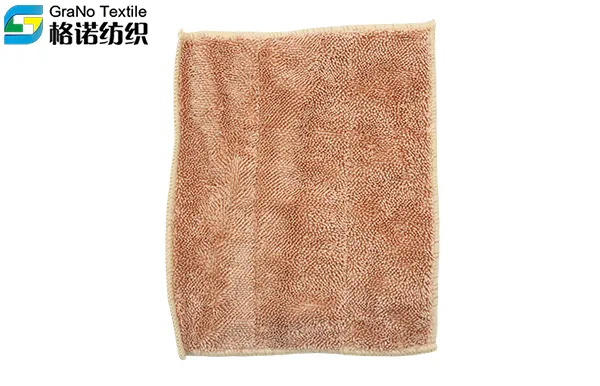



 Phone
Phone
Comment
(0)