

microfiber cleaning cloth vs traditional towels: Which Is Better
Keeping a clean and hygienic home requires the right cleaning tools. Among the most common options are microfiber cleaning cloths and traditional towels. Both serve essential functions in cleaning, drying, and maintaining household surfaces. However, understanding their differences, advantages, and limitations can help homeowners make informed choices for effective, efficient cleaning.
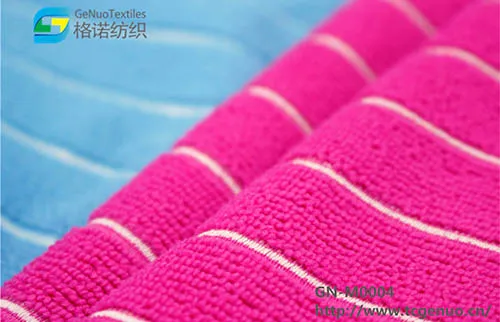
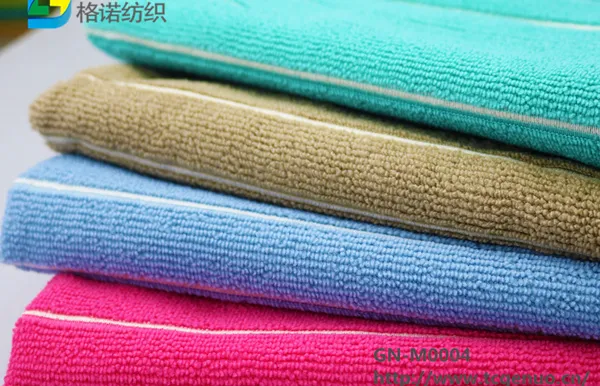
Microfiber cleaning cloths are made from ultra-fine synthetic fibers, typically a blend of polyester and polyamide. These fibers are split into extremely thin filaments, creating a dense weave capable of capturing dust, dirt, and liquids more efficiently than traditional materials. microfiber cloths have become widely popular due to their superior absorbency, quick-drying properties, and versatility.
The microstructure of microfiber cloths allows the cloth to trap particles as small as 0.3 microns. Polyester provides strength and durability, while polyamide contributes to absorbency and softness. This combination enables microfiber cloths to pick up both wet and dry debris without leaving streaks or lint behind.
Traditional towels are generally made from cotton, terry, or other natural fibers. They have been household staples for centuries due to their soft texture and water absorption capabilities. Cotton towels feature loops that increase surface area, making them effective for drying hands, dishes, and surfaces. However, they may be less efficient in cleaning fine dust or oily residues.
The absorbency of traditional towels depends on fiber thickness and loop density. High-quality cotton towels can absorb significant amounts of water but may require longer drying times and frequent laundering to maintain hygiene. They are durable but less capable of removing microscopic particles compared to microfiber cloths.
One of the most important comparisons between these two cleaning tools is efficiency. Microfiber cloths outperform traditional towels in multiple cleaning scenarios.
Microfiber's ultra-fine fibers penetrate into surface crevices, capturing dust, dirt, and allergens. In contrast, traditional towels often push dust around rather than trapping it, leaving surfaces less clean.
Microfiber cloths can absorb up to seven times their weight in liquid, whereas traditional towels absorb less and require multiple passes to achieve the same dryness. Microfiber also dries faster, reducing the risk of bacterial growth.
Microfiber cloths are ideal for glass, mirrors, and stainless steel, leaving streak-free surfaces without chemicals. Traditional towels can leave lint or water spots if not carefully managed.
Microfiber cleaning cloths are highly durable. They can withstand hundreds of washes without significant loss of performance. To maintain their effectiveness:
Wash with mild detergent
Avoid fabric softeners, which coat fibers and reduce absorbency
Air dry or tumble dry at low temperatures
Cotton towels are also durable but can shrink or lose softness over time. They may require higher temperatures during washing to remove bacteria effectively, increasing energy consumption. Over time, loops can fray, reducing surface contact and absorbency.
While microfiber cloths are synthetic, their long lifespan and reduced need for chemical cleaners can lower overall environmental impact. Fewer cleaning agents reduce water pollution and household chemical exposure.
Cotton towels are biodegradable and natural but have high water and pesticide usage during cultivation. They also require frequent washing and higher energy use for drying, which contributes to a larger carbon footprint over time.
Initially, microfiber cleaning cloths are more expensive than traditional towels. However, their longer lifespan, superior performance, and reduced need for cleaning agents make them cost-effective in the long run. Traditional towels may be cheaper upfront but often require more frequent replacement and intensive maintenance.
Microfiber cleaning cloths are versatile and suitable for various household tasks:
Kitchen: wiping counters, appliances, and spills
Bathrooms: mirrors, sinks, and tiles
Living spaces: dusting furniture and electronics
Traditional towels are better suited for:
Drying dishes and hands
Bathing and personal care
General-purpose cleaning where streak-free results are less critical
Microfiber cloths have an advantage in hygiene. Their dense fibers trap bacteria and allergens, reducing exposure in the home. Traditional towels can harbor bacteria if not washed frequently, especially in damp environments.
When deciding between microfiber cleaning cloths and traditional towels, consider the following factors:
Cleaning Needs: For dust-free, streak-free cleaning, microfiber is superior. For drying or absorbing large spills, traditional towels may suffice.
Surface Type: Microfiber excels on delicate surfaces such as glass, electronics, and polished metals. Traditional towels are effective on robust surfaces like counters, floors, and cloth items.
Maintenance and Longevity: Microfiber is low-maintenance and long-lasting. Traditional towels may require more frequent washing and replacement.
Environmental Impact: Consider water, energy, and chemical usage. Microfiber reduces chemical reliance; cotton towels are biodegradable but resource-intensive.
Microfiber cleaning cloths and traditional towels each have unique advantages. Microfiber offers exceptional cleaning efficiency, absorbency, streak-free results, and long-term durability, making it ideal for modern households seeking convenience and hygiene. Traditional towels remain essential for personal care and general drying tasks, maintaining a classic role in home maintenance.
By understanding performance, maintenance, cost, and environmental factors, homeowners can select the most suitable cleaning tool for each application. Incorporating microfiber into your cleaning routine can improve efficiency, reduce chemical usage, and maintain a healthier, cleaner home environment.
Google SEO Description (50 Words, Two Paragraphs)
Microfiber cleaning cloths offer superior absorbency, streak-free results, and effective dust and allergen removal compared to traditional towels. They are durable, fast-drying, and low-maintenance, making home cleaning more efficient.
Traditional towels remain essential for personal care and general drying tasks but are less effective in cleaning fine particles. Choosing the right material ensures hygiene, convenience, and cost efficiency.
This website uses cookies to ensure you get the best experience on our website.
 Español
 Portugues



 Phone
Phone
Comment
(0)