

Eco-friendly microfiber cloth options for green cleaning are becoming an essential part of modern households and professional cleaning environments. As sustainability, waste reduction, and chemical-free cleaning gain global attention, microfiber cloth solutions offer a practical and effective way to clean surfaces while reducing environmental impact. Compared with disposable paper towels and traditional cotton rags, an eco-friendly microfiber cloth delivers Superior cleaning performance with fewer resources, making it a cornerstone of green cleaning practices.
This article provides an in-depth explanation of eco-friendly microfiber cloth options, including their material structure, environmental advantages, cleaning performance, usage scenarios, care methods, and how they support sustainable lifestyles. Whether for home cleaning, commercial maintenance, or environmentally conscious purchasing decisions, understanding microfiber cloth technology is key to effective green cleaning.
An eco-friendly microfiber cloth is a reusable cleaning textile made from ultra-fine synthetic fibers, typically composed of polyester and polyamide. These fibers are split during manufacturing to create microscopic channels that trap dust, grease, and bacteria. This unique structure allows microfiber cloth products to clean effectively with little or no chemical detergent, supporting green cleaning principles.
Unlike disposable cleaning materials, an eco-friendly microfiber cloth is designed for repeated use. With proper care, a single microfiber cloth can replace hundreds of paper towels over its lifetime. This reusability directly contributes to waste reduction, resource conservation, and lower overall environmental impact.
Green cleaning emphasizes minimizing harmful substances, reducing waste, and improving indoor air quality. Eco-friendly microfiber cloth solutions align with these goals by enabling water-only cleaning and lowering dependency on chemical cleaners.
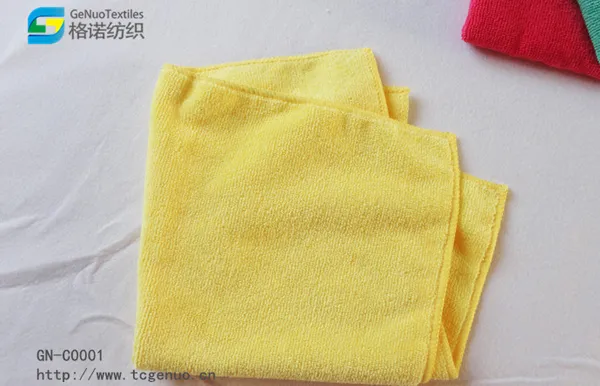
Not all microfiber cloth products are equally sustainable. Eco-friendly microfiber cloth options focus on durability, efficiency, and responsible usage rather than disposability.
Key eco-friendly characteristics include:
High reusability, reducing single-use waste
Effective cleaning with water only, lowering chemical use
Long service life, reducing frequent replacement
Reduced water consumption, due to higher absorbency
Versatile use, minimizing the need for multiple cleaning tools
A microfiber cloth designed for green cleaning performs multiple cleaning functions—dusting, wiping, polishing, and drying—without generating unnecessary waste.
While microfiber cloths are synthetic, their extended lifespan and efficiency often result in a lower environmental footprint compared with disposable alternatives when used responsibly.
The superior performance of an eco-friendly microfiber cloth lies in fiber technology. Microfiber fibers are significantly finer than human hair, allowing them to reach into microscopic surface irregularities that traditional cloths cannot access.
When used for green cleaning, a microfiber cloth works through:
Mechanical action: The split fibers loosen and lift dirt
Capillary action: Tiny channels absorb liquids efficiently
Electrostatic attraction: Dry microfiber cloths attract dust particles
This combination enables effective cleaning without harsh chemicals. As a result, microfiber cloth solutions are widely recommended for green cleaning programs in homes, offices, healthcare environments, and hospitality settings.
Disposable paper towels contribute significantly to landfill waste. Replacing them with eco-friendly microfiber cloth alternatives dramatically reduces daily waste output. One microfiber cloth can be washed and reused hundreds of times.
Green cleaning aims to limit chemical exposure. Microfiber cloth products clean effectively using water alone, which reduces chemical runoff into water systems and lowers indoor air pollution.
Microfiber cloths absorb more liquid than traditional fabrics, meaning fewer passes and less water are required during cleaning. Faster drying times also reduce energy use during laundering.
Because eco-friendly microfiber cloth options last longer than conventional cleaning textiles, fewer resources are consumed in manufacturing, transportation, and disposal.
Designed for everyday green cleaning, this microfiber cloth type handles dusting, wiping, and surface cleaning. It works well on countertops, furniture, appliances, and walls.
A specialized microfiber cloth with a tight weave is ideal for streak-free glass cleaning. It removes fingerprints and smudges using water only, making it essential for eco-friendly microfiber cloth users focused on windows and mirrors.
Kitchen microfiber cloth options are engineered for grease removal and absorbency. They support green cleaning by reducing the need for degreasers and disposable wipes.
Bathroom cleaning benefits from microfiber cloth products that lift soap residue, water spots, and bacteria efficiently without harsh disinfectants.
Used in garages, workshops, and industrial environments, these microfiber cloths handle oil and grime while remaining reusable and washable.
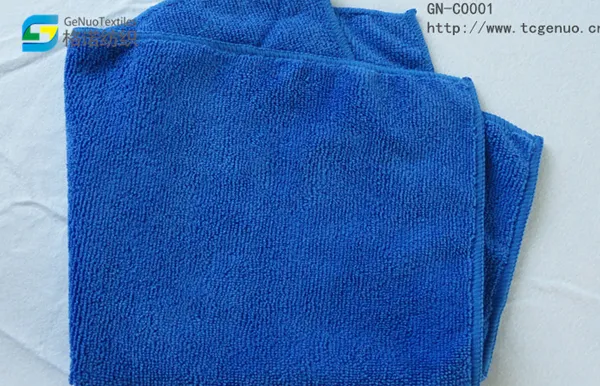
In residential settings, eco-friendly microfiber cloth options support sustainable routines by replacing disposable products. They are suitable for floors, kitchens, bathrooms, electronics, and furniture.
Professional green cleaning programs rely on microfiber cloth systems to maintain hygiene while reducing chemical exposure for employees and visitors.
Microfiber cloth use in hospitality and healthcare environments improves cleanliness standards while supporting environmentally responsible cleaning protocols.
Microfiber cloth products safely clean sensitive surfaces without scratching, making them ideal for vehicles, screens, and instruments.
When comparing an eco-friendly microfiber cloth to cotton rags or paper towels, several advantages stand out:
Higher Cleaning efficiency
Lower long-term cost
Less waste generation
Reduced chemical usage
Improved surface safety
Traditional materials often spread dirt rather than trapping it, while microfiber cloth technology captures particles effectively.
Proper care is essential to maximize the lifespan of microfiber cloth products and maintain green cleaning benefits.
Wash microfiber cloths separately or with similar materials
Use mild detergent
Avoid fabric softeners and bleach
Air dry or tumble dry on low heat
Avoid high temperatures that damage fibers
Store clean microfiber cloths in a dry, dust-free environment
Separate cloths by cleaning purpose to prevent cross-contamination
Correct maintenance ensures that an eco-friendly microfiber cloth remains effective for hundreds of uses.
Some concerns exist regarding microfiber shedding during washing. To support green cleaning goals:
Wash microfiber cloths less frequently when lightly soiled
Use filtration solutions where available
Choose durable microfiber cloth options designed for long-term use
By focusing on longevity and responsible care, eco-friendly microfiber cloth usage continues to offer net environmental benefits.
When selecting microfiber cloth products for green cleaning, consider:
Fiber density and weave
Intended cleaning surface
Durability and wash resistance
Absorbency requirements
A well-chosen eco-friendly microfiber cloth enhances cleaning efficiency while supporting sustainable living practices.
Green cleaning is not only about products but about habits. Incorporating microfiber cloth solutions into daily routines reduces waste, lowers chemical exposure, and promotes conscious consumption.
Eco-friendly microfiber cloth options fit seamlessly into zero-waste and low-impact lifestyles, offering a practical step toward environmental responsibility.
Advances in textile engineering continue to improve microfiber cloth sustainability. Trends include:
Increased durability for extended reuse
Improved fiber structures for water-only cleaning
Enhanced recycling solutions for end-of-life microfiber cloth products
These developments strengthen the role of microfiber cloth technology in green cleaning strategies.
Eco-friendly microfiber cloth options for green cleaning offer an effective, sustainable alternative to traditional cleaning materials. By reducing waste, minimizing chemical use, and delivering superior cleaning performance, microfiber cloth solutions support environmentally responsible cleaning across homes, businesses, and institutions.
With proper selection and care, an eco-friendly microfiber cloth becomes a long-lasting tool that aligns efficiency with sustainability. As green cleaning continues to gain importance, microfiber cloth products remain a reliable foundation for cleaner spaces and a healthier environment.
This website uses cookies to ensure you get the best experience on our website.
 Español
 Portugues



 Phone
Phone
Comment
(0)