

In the cleaning products market, high-Low pile cleaning towels, with their unique fabric structure design, have become innovative products that combine deep cleaning and surface care. These towels, by forming staggered loops or pile on their surface, can both penetrate deep into crevices to remove stubborn stains and gently wipe sensitive surfaces, demonstrating significant advantages in household, commercial, and industrial cleaning scenarios. This article will comprehensively analyze high-low pile cleaning towels from aspects such as structural principles, performance characteristics, applicable scenarios, purchasing tips, maintenance methods, and market trends, providing consumers with professional reference.
I. Structural Principles and Manufacturing Characteristics of High-Low Pile Cleaning Towels
The core advantage of high-low pile cleaning towels stems from their unique fabric structure. This structure is achieved through a special weaving process, mainly divided into two types: loop height difference design and pile length difference design.
The loop height difference design is a more common structural form. During the weaving process, by adjusting the needle pitch and yarn tension of the loom, two or more loops of different heights are formed on the towel surface. High-loop loops typically protrude from the towel surface, generally 5-8 mm in length, providing strong friction and grip, suitable for cleaning crevices or rough surfaces. Low-loop loops are relatively flat, about 2-4 mm in length, with a delicate feel, used for wiping and polishing smooth surfaces. The alternating distribution of these two types of loops creates regular or irregular textures, ensuring both Cleaning efficiency and safety.
A design with varying pile lengths is often used in Microfiber Towels. A napping process creates a difference in the length of the surface pile. The longer pile is fluffy and has strong adsorption capacity, capturing fine dust and liquids; the shorter pile is dense and flat, suitable for removing surface water stains and fine wiping. This structure excels in high-precision scenarios such as cleaning electronic devices, providing thorough cleaning without scratching the screen or delicate components.
Achieving a high-low loop structure requires certain technical expertise. High-quality high-low pile cleaning towels are made using double-needle or multi-needle bed looms to ensure a natural transition and stable structure between the high and low pile sections, preventing shedding or loop breakage during use. The choice of yarn is also crucial; yarns of different materials such as cotton, polyester, and microfiber, after special treatment, better adapt to the functional requirements of the high-low pile structure, improving the overall performance of the towel.
II. Performance Advantages of High-Low Pile Cleaning Towels
(I) Layered Cleaning for Increased Efficiency
The biggest advantage of the high-low pile structure is that it achieves "layered cleaning," with different heights of loops or fibers each performing their specific function. The higher loops or longer fibers are responsible for reaching into crevices and grooves, using increased friction to remove hidden dust and dirt; the lower loops or shorter fibers are responsible for sweeping away surface dust and residual stains, while also providing a simple polish to the cleaned surface, reducing watermarks and fiber residue. This collaborative cleaning method reduces the number of repeated wiping steps compared to ordinary flat-pile towels, significantly improving cleaning efficiency.
(II) Balancing Cleaning Power and Protection
Ordinary cleaning towels often face the contradiction of "strong cleaning power easily damages surfaces, while good protection results in incomplete cleaning." High-low pile cleaning towels alleviate this problem through their structural design. When cleaning rough surfaces (such as tile grout and car wheel rims), the high-pile loops provide sufficient friction to remove stubborn stains; when wiping sensitive surfaces (such as glass, furniture paint, and electronic screens), the low-pile loops or short fibers make gentler contact with the surface. Combined with the inherent softness of the material, this effectively avoids scratches, achieving a "powerful cleaning without damage" effect.
(III) Enhanced Absorbency and Stain Locking Capacity
The three-dimensional space created by the high-low pile structure increases the contact area between the towel and water and stains, improving overall absorbency. The gaps between the high-pile loops quickly absorb liquid, while the tightly packed low-pile loops lock moisture and stains inside the towel, reducing dripping during cleaning. For sticky stains such as oil, the layered texture of the high and low pile allows the stains to be more easily trapped between the loops, preventing secondary contamination of the surface during wiping. After cleaning, a simple rinse is all that's needed to remove the stains from the towel.
(IV) Durability and Ease of Care
The high and low pile design of cleaning towels ensures more even pressure distribution. During repeated wiping and washing, the high and low pile loops support each other, reducing localized wear and extending the towel's lifespan. High-quality products undergo reinforced weaving and pre-shrinking treatment, maintaining the stability of the high and low pile structure even after multiple washes, preventing the loops from flattening or the fibers from falling out. In terms of care, most high and low pile cleaning towels are machine washable and require minimal detergent, making daily maintenance convenient and suitable for high-frequency use.
III. Applicable Scenarios for High and Low Pile Cleaning Towels
(I) Deep Cleaning in the Home
In home cleaning, high and low pile cleaning towels can handle a variety of complex scenarios. In the kitchen, use the high-pile side to clean grease from the range hood filter and gas stove crevices, while the low-pile side wipes away surface oil and water stains. In the bathroom, when cleaning the toilet rim and tile grout, the high-pile side reaches into the crevices, while the low-pile side cleans the tile surface. In the living room, the high-pile and low-pile structures work together to thoroughly clean hard-to-reach areas like sofa crevices and carpet edges, reducing dust accumulation.
(II) Car Cleaning and Maintenance
Cleaning the interior and exterior of a car requires sophisticated tools, making high-pile and low-pile cleaning towels ideal. When cleaning the car interior, the high-pile side can reach into seat crevices and air conditioning vents to remove dust, while the low-pile side wipes smooth surfaces like the dashboard and center console screen, avoiding scratches. When cleaning the car body, the high-pile side is used with car wash liquid to remove stubborn stains like insect residue and tree sap, while the low-pile side is used to dry the body, reducing watermarks and keeping the car shiny.
(III) Cleaning of Electronic Equipment and Precision Instruments
The surfaces of electronic equipment and precision instruments are sensitive and fragile. The short fibers of high-low pile cleaning towels provide a safe cleaning effect. When wiping mobile phone screens and computer monitors, the short fibers remove fingerprints and dust without causing scratches. When cleaning precision components such as camera lenses and microscope lenses, the high-low pile structure, when used with a special cleaning agent, balances cleaning power and protection, ensuring that the optical performance of the equipment is not affected.
(IV) Commercial and Industrial Cleaning
Commercial venues such as hotels and shopping malls require efficient cleaning without damaging facilities. High-low pile cleaning towels can be used to clean elevator crevices, counter corners, glass curtain walls, etc., ensuring cleaning quality while protecting the appearance of the facilities. In the industrial field, the surface cleaning of small machinery and the dust removal of instrument panels can also be achieved with High-low pile towels for precise cleaning, avoiding damage to equipment operation due to improper cleaning.
IV. Purchasing Tips for High-Low Pile Cleaning Towels
(I) Choosing the Structure Type Based on the Cleaning Object
When purchasing, you should choose the appropriate high-low pile structure based on the main cleaning object. For cleaning crevices and rough surfaces, prioritize styles with a noticeable difference in pile height. The higher pile length should be 6-8 mm to ensure sufficient cleaning power. For delicate cleaning of sensitive surfaces, choose products with a smaller difference in pile length; the shorter pile should be fine and smooth to avoid damaging the surface. Check the product description or observe the actual product to confirm that the pile height structure matches your needs.
(II) Focus on Material and Craftsmanship Quality
Material is a key factor affecting the performance of high-pile/low-pile cleaning towels. Pure cotton towels are soft and skin-friendly, suitable for household cleaning and cleaning sensitive surfaces; Microfiber Towels have stronger absorbency and stain resistance, suitable for cleaning cars and electronic devices; polyester towels have better abrasion resistance, suitable for industrial applications. Also, check the craftsmanship quality. High-quality towels have a natural transition between high and low pile, with firm pile roots that won't come loose when gently pulled, uniform fabric density, and no skipped stitches or loose threads.
(III) Test Absorbency and Friction Performance
The practical performance of a towel can be judged through simple tests. Immerse a corner of the towel in water and observe the absorption speed. A high-quality towel with both high and low pile should absorb water quickly and spread it out. Gently squeeze the towel after absorption to check its water retention; a towel with good water retention will not drip excessively. When testing friction performance, gently wipe a rough surface with the high-pile side to feel if the friction is moderate—it should have cleaning power without being too sharp. Wipe glass with the low-pile or short-pile side and observe if watermarks or fiber residue are left.
(IV) Reference Size and Edge Treatment
Size selection should be based on the cleaning scenario. For daily household cleaning, a medium size of approximately 30cm × 60cm is suitable for easy gripping. For car cleaning or large-area cleaning, a larger size of 40cm × 80cm or more is recommended to improve efficiency. Edge treatment is also important; towels with neat edges and fine stitching are more durable, preventing structural damage caused by edge wear during use and extending their lifespan.
V. Maintenance Methods for High-Pile and Low-Pile Cleaning Towels
(I) Proper Washing to Avoid Structural Damage
When washing high-pile and low-pile cleaning towels, avoid using bleach and strong alkaline detergents to prevent damage to the fibers and the high-pile and low-pile structure. The water temperature should be controlled between 30-40℃; excessively high temperatures may cause the loops to shrink or the pile to harden. When machine washing, select the gentle cycle and wash alone or with other soft fabrics of the same type. Avoid contact with hard objects such as zippers and buttons to prevent snagging the loops or pile. For towels stained with oil, soak them in a neutral detergent for 10-15 minutes before washing to ensure thorough stain removal.
(II) Proper Drying and Storage
After washing, towels should be spread out to dry, avoiding folding which can cause the loops to flatten. Air drying is the best method; avoid direct sunlight to prevent fiber aging and fading. If using a dryer, select the low-temperature drying mode, remove the towel immediately after drying, and gently shake it to restore the fluffiness of the loops or pile. When storing, fold completely dry towels neatly and place them in a well-ventilated and dry place. Avoid squeezing them to prevent deformation of the high-low pile structure, which would affect their effectiveness in future use.
(III) Regular Maintenance and Timely Replacement
During use, regularly check the towel's structure. If you find that the loops are falling off, the fibers are knotted, or there is severe local wear, reduce its use on sensitive surfaces to avoid damage. For towels that are frequently used to clean stubborn stains such as oil, they can be periodically soaked in a neutral detergent at high temperature for disinfection to maintain hygiene. When towels show a significant decrease in absorbency, large-area shedding, or structural deformation, they should be replaced promptly to ensure cleaning effectiveness and safety. It is generally recommended to replace them every 2-4 months depending on the frequency of use.
VI. Market Trends for High-Low Pile Cleaning Towels
With the increasing demand from consumers for more refined cleaning methods, the high-low pile cleaning towel market is showing a trend of functional segmentation and technological upgrading. In terms of functional segmentation, there is a growing number of specialized products targeting different scenarios, such as high-pile and low-pile towels for kitchens to remove grease, fine cleaning towels for car interiors, and dust-free high-pile and low-pile towels for electronic devices. These products enhance adaptability to various scenarios through optimized material and structural design.
Technological upgrades are reflected in the application of new materials and process innovations. Some brands use antibacterial fibers to make high-pile and low-pile towels, inhibiting bacterial growth, making them especially suitable for humid environments such as kitchens and bathrooms. Nanotechnology is used to treat the surface, enhancing stain resistance and making grease easier to clean. In terms of manufacturing processes, the application of 3D weaving technology allows for more precise high-pile and low-pile structures, and the height and distribution of loops or pile can be customized to meet specific needs, further improving cleaning efficiency.
In terms of design, in addition to practicality, aesthetic design has become a competitive element in the market. Brands are launching high-pile and low-pile towels in various colors and simple patterns, meeting cleaning needs while blending into home or work environments, enhancing the overall appeal of the product. Meanwhile, influenced by environmental protection concepts, the use of recycled fibers in high-pile and low-pile cleaning towels is gradually increasing, meeting consumers' demand for sustainable products.
In terms of sales channels, online platforms, with their wide selection of products and user reviews, have become the primary channel for consumers to purchase high-pile and low-pile cleaning towels. Offline, home goods supermarkets and professional cleaning supply stores offer hands-on experiences, allowing consumers to directly feel the product's structure and performance. Some brands also offer customization services, tailoring high-pile and low-pile towels to specific sizes and structures according to the specific needs of businesses or families, expanding the market application scope.
VII. Summary
High-pile and low-pile cleaning towels, through their unique structural design, achieve a balance between cleaning power and protection, providing efficient solutions for cleaning needs in various scenarios. Their layered cleaning advantage makes them play an important role in homes, automobiles, electronic devices, and other fields, improving cleaning efficiency while reducing the risk of damage to the cleaned surfaces.
When purchasing, choosing the appropriate structural type and material based on the object being cleaned, and focusing on craftsmanship and practical performance, is key to obtaining a high-quality product. Proper maintenance methods can maintain the stability of the high-pile and low-pile structure and extend the towel's lifespan. As the market develops, cleaning towels with more specialized functions, more advanced technology, and more user-friendly designs will continue to emerge, bringing more convenience and efficiency to people's cleaning lives and driving the development of cleaning products towards refinement and specialization.
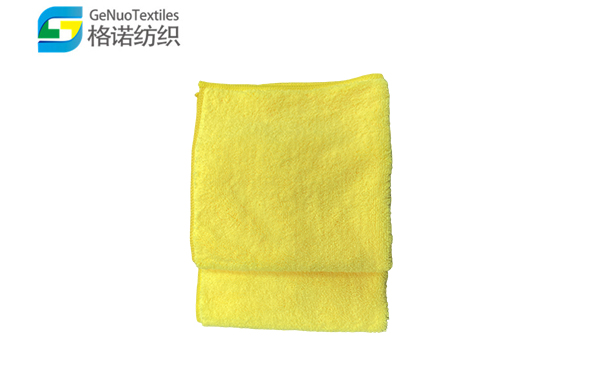
High and Low Pile Cleaning Towels are functional cleaning textiles with dual-height loop or long/short pile structures. Their core advantage is one side for powerful cleaning and the other for delicate surface protection, balancing cleaning performance and surface care, suitable for multi-scenario precision cleaning.
High and Low Pile Cleaning Towels are produced using warp-knitting or weft-knitting techniques to create a 3D structure of “high pile + low pile” or “long pile + short pile” on the same or dual surfaces. High pile areas have loops ≥5mm, low pile ≤3mm, forming functional zones. Typical materials include polyester/nylon microfiber (80/20 PET/PA) or polyester-cotton blends (65/35). Reinforced weaving and pre-shrink treatment ensure stable high-low pile structures resistant to collapse after repeated use.
| Feature | Description |
|---|---|
| Dual-Effect Cleaning | High pile provides friction for rough surfaces (tiles, car wheels) removing stubborn stains; low pile/short fibers protect delicate surfaces (glass, paint, screens) preventing scratches. |
| Water Absorption & Dirt Lock | 3D structure increases contact area; high pile absorbs water in ≤8s, 6–9× its own weight; low pile tightly traps water and dirt, reducing drips and secondary contamination. |
| Durable & Long-Lasting | High/low piles support each other; tensile strength ≥150N/5cm; withstands repeated machine wash ≤40°C without linting or loop loss; lifespan ≥2 years, 30%+ longer than flat weave towels. |
| Efficient Zoning | Dual-sided or dual-zone design allows dry dusting or wet cleaning with easy switching; multi-color options support area differentiation, improving Cleaning efficiency and hygiene. |
| Easy to Clean & Quick-Dry | Polyester/mixed fiber materials are easy to wash; dries ≤45 min in ventilated conditions, minimizing bacteria growth and maintenance cost. |
| Dimension | Typical Parameters |
|---|---|
| Sizes | Cleaning squares 25×25–40×40cm; universal 50×70cm; automotive 60×90cm. |
| GSM | 180–300g/m², light (180–220g/m²) for portability, heavy (250–300g/m²) for durability. |
| Styles | Single-side high-low pile, double-sided high-low pile, hemmed edges, multi-color for area zoning. |
| Craft | Warp/weft knitting, pile height difference ≥2mm; optional silver-ion antibacterial or anti-stain finishing. |
Material Selection & Warping: Polyester microfiber or polyester-cotton blended yarn; maintain 24–26°C, 60–70% humidity to ensure uniform yarn.
Knitting: Warp-knitting (Tricot) or weft-knitting machines; high pile uses bulky or coarse yarn, low pile uses standard fine yarn to achieve height difference.
Post-Processing: Washing, bleaching/whitening, heat-setting 120–150°C, pre-shrinking (shrinkage ≤2%), and edge-locking to prevent loop loss.
Quality Inspection: Check pile height difference, tensile strength, colorfastness (≥3–4), ensuring stable structure and functionality.
Home Cleaning: High pile for tiles/grout, low pile for glass/furniture; dry for dusting, wet for grime, color-coded for hygiene.
Automotive Cleaning: High pile for wheels/chassis grime, low pile for paint/interior, protects surfaces; high pile can apply wax, low pile polishes.
Commercial Cleaning: Hotels/restaurants, multi-color for zone cleaning; high pile removes oil, low pile wipes water marks.
Industrial Cleaning: Machinery oil removal with high pile, low pile cleans precision instruments, protecting sensitive components.
Tips: Dry use high pile for dust, wet use low pile for surface care; different colors differentiate cleaning zones, avoiding cross-contamination.
| Material | Cleaning Power | Surface Protection | Water Absorption | Durability | Suitable Scenarios |
|---|---|---|---|---|---|
| Polyester High-Low Pile | Excellent | Excellent | Excellent | Excellent | Cars, electronics, precision equipment, high cleaning requirements |
| Polyester-Cotton High-Low Pile | Good | Good | Good | Good | Daily/commercial cleaning, cost-effective |
| 100% Cotton High-Low Pile | Moderate | Excellent | Excellent | Moderate | Light cleaning of delicate surfaces, natural touch |
Washing: Machine wash ≤40°C, mild detergent, no bleach/strong alkali, wash similar colors, avoid snagging.
Drying: Air dry or low-temp tumble ≤80°C; avoid direct sunlight to prevent fiber aging and pile collapse.
Storage: Store in a dry, ventilated place, prevent moisture and mildew; avoid sharp objects to protect pile structure.
Prohibitions: Do not iron >110°C with a protective cloth; avoid prolonged soaking in strong acid/alkali solutions.
This website uses cookies to ensure you get the best experience on our website.
 Español
 Portugues



 Phone
Phone