

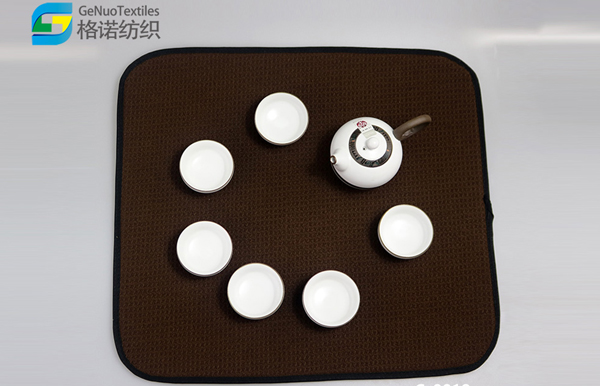
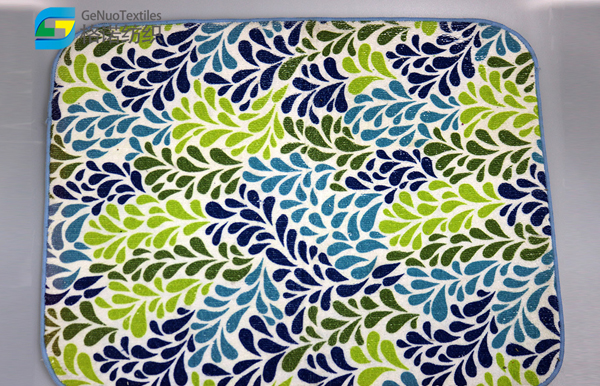
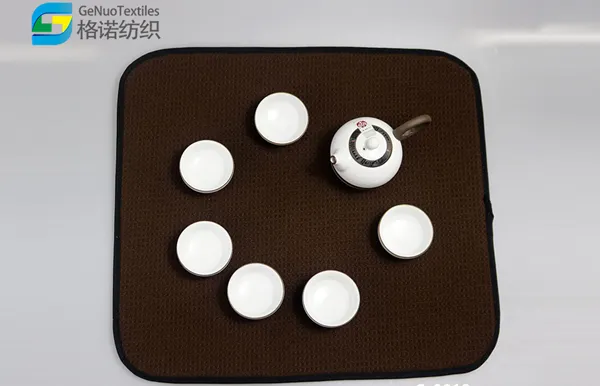
Item Number: C-0018
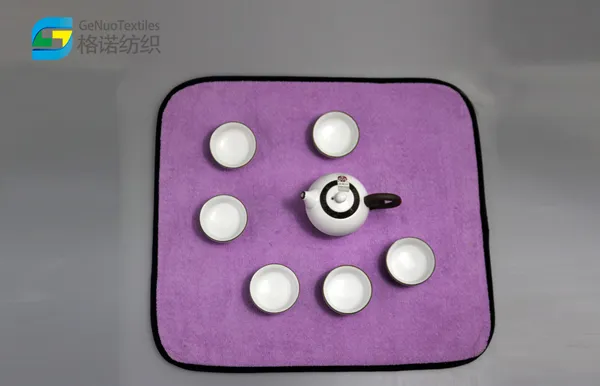
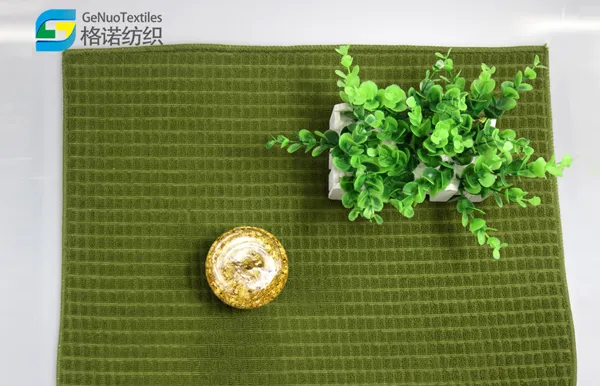
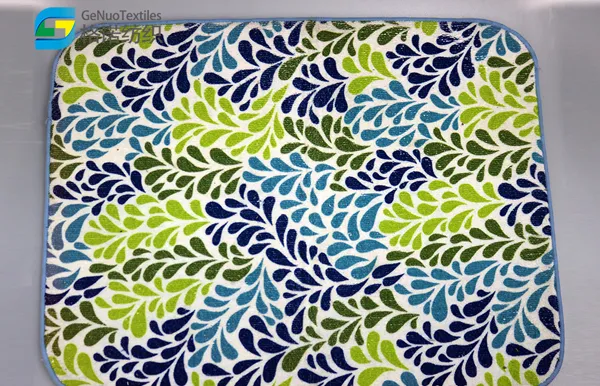
Material: Polyester Cotton
Size: 35*70cm, 40*40cm, 30*30cm… Customizable according to customer requirements
Color: Red, Yellow, Blue… Customizable according to Pantone color codes or color samples
Gram Weight: 150-380GSM
Usage: Used for home, kitchen, car, and electronic instrument cleaning
Description and Use:
(1) The towel has high water absorption and a soft feel.
(2) The towel is very durable and easy to clean without detergent.
(3) It contains no chemicals and has no unpleasant odor.
(4) Soft, comfortable, and pleasant to the touch.
(5) Suitable for cleaning various cars, kitchenware, furniture, and pet supplies.
Color: According to customer requirements
Packaging: Standard export packaging or customized packaging according to customer requirements
Origin: Jiangsu, China
Payment Method: Bank Transfer, Alipay, WeChat Pay
Minimum Order Quantity: 2000 pieces
Contact Person:
Ms. Xiao: +8618906226220 / 15306222870 (WeChat)
Drying mats are products designed to quickly remove moisture through absorption, drainage, or rapid evaporation. They can be categorized by usage into kitchen Dish Drying Mats, bathroom body drying mats, household cleaning drying mats, and pet drying mats. Common materials include diatomaceous earth, silicone, microfiber, cotton, and polyester. They are suitable for kitchens, bathrooms, bedrooms, and cleaning scenarios. The core value is fast water removal, keeping surfaces dry, inhibiting bacterial growth, and combining practicality with convenience. The following details the definition, material types, core performance, specifications, production process, maintenance, and purchasing considerations of drying mats.
A drying mat is made from absorbent, conductive, or evaporative materials to rapidly absorb and remove moisture, preventing water accumulation. Core principles include capillary action (water absorption), drainage (fast water removal), and accelerated evaporation (speeding up moisture dissipation). These mats use a single or combined principle to achieve “rapid drying,” suitable for kitchen dish drying, bathroom floor drying, and household cleaning needs.
| Type | Core Use | Typical Scenario | Suitable Material |
|---|---|---|---|
| Kitchen Dish Drying Mat | Drain dishes, utensils, cookware; protect countertops | Sink edge, worktop | Diatomaceous earth, silicone, microfiber, polyester+PU foam |
| Bathroom Drying Mat | Dry body, prevent water accumulation, anti-slip | Bathtub side, shower exit | Diatomaceous earth, cotton, non-slip rubber composite |
| Household Cleaning Drying Mat | Dry furniture, glass, electronics | Tabletops, glass, appliance surfaces | Microfiber, polyester |
| Pet Drying Mat | Dry pet fur, cage moisture control | Pet cage, pet activity area | Highly absorbent microfiber, antibacterial fabric |
| Food drying mat | Assist food drying, prevent sticking | Baking, fruit drying | Food-grade silicone, Teflon-coated fabric |
| Material | Key Composition | Absorption/Drainage Principle | Advantages | Limitations |
|---|---|---|---|---|
| Diatomaceous Earth | Diatom powder + natural binder, high-temperature fired | Microporous capillary absorption, rapid evaporation | Fast absorption, antibacterial, heat-resistant; suitable for kitchen/bathroom | Fragile, breakable, dark stains visible |
| Food-Grade Silicone | Polysiloxane polymer | Raised texture for drainage, evaporation | Heat-resistant, non-slip, easy to clean, dishwasher safe | No active absorption; relies on texture |
| Microfiber | Polyester-nylon blend (commonly 70% polyester + 30% nylon) | Fiber gaps absorb water; high surface area | Strong absorption, soft; suitable for cleaning | Needs timely washing to prevent odor |
| Cotton | Combed or long-staple cotton | Fiber moisture absorption, natural evaporation | Skin-friendly, breathable; suitable for body drying | Slower drying, prone to bacterial growth |
| Polyester+PU Foam | Polyester fabric + PU absorbent foam | Foam absorbs water, fabric drains | Lightweight, foldable; suitable for kitchen drainage | Long-term use may degrade absorption |
Single-Sided: e.g., diatomaceous earth mats, microporous surface with non-slip backing for single-use drying.
Double-Layer Composite: e.g., microfiber mats with absorbent top and rubber backing for stability.
Textured Surface: Silicone mats use raised strips or grid texture for water drainage; diatomaceous earth mats use stripes or frosted texture for anti-slip and increased absorption.
Edge Design: Raised edges for silicone mats prevent water overflow; reinforced edges for microfiber mats enhance durability.
Absorption Speed: Diatomaceous earth mats typically absorb ~120 mL/100 cm² within 30 seconds; microfiber mats can absorb 3–4 times their weight in water.
Drying Efficiency: Diatomaceous earth mats dry naturally in 1–2 hours; microfiber mats dry in 2–4 hours under ventilation.
Heat Resistance: Silicone mats withstand up to 230℃, suitable for hot cookware; diatomaceous earth mats up to 500℃, suitable for high-temperature use.
Safety Standards: Food-grade silicone must meet GB 4806.10; mats made from diatomaceous earth or fabric must meet GB 18401 Class B or above, Class A for infant use.
Rapid drying reduces water accumulation and bacterial growth.
Multi-functional: drying, anti-slip, scratch-resistant, heat-insulating.
Easy maintenance: most materials are washable or wipeable; silicone mats are dishwasher safe.
Antibacterial and odor-resistant: certain materials inhibit mold and bacteria growth.
| Drying Mat Type | Common Size (cm) | Thickness | Application |
|---|---|---|---|
| Kitchen Dish Mat | 30×40, 40×50, 44×36 | DE: 0.8–1.5cm; Silicone: 0.6–1cm; Fiber: 0.5–1cm | Dishware, cups, knives |
| Bathroom Mat | 60×30, 70×40, 80×50 | DE: 1–2cm; Cotton: 0.8–1.2cm | Floor drying after shower |
| Cleaning Mat | 30×30, 40×40 | Microfiber 0.3–0.5cm | Furniture, glass, appliances |
| Pet Mat | 50×70, 60×80 | Microfiber 0.5–0.8cm | Pet cage, activity area |
Safety: Food-contact mats must be BPA-free, heavy-metal-free, formaldehyde-free; textile mats should have colorfastness ≥3.
Durability: Silicone mats resist tearing and aging; fiber mats retain ≥80% absorption after 50 washes.
Anti-Slip: Bathroom/kitchen mats should have friction coefficient ≥0.5.
Raw Material Prep: Grind diatom powder, mix with natural binders and water to uniform slurry.
Molding & Firing: Press slurry into shape, fire at 850–900℃ to form micropores; cool, cut, and attach non-slip backing.
Post-Processing: Sand surface for absorbency; optional antibacterial coating.
Mixing: Combine food-grade silicone with vulcanizing agent, ensuring no impurities.
Molding: Press into mold, vulcanize at high temperature, form raised textures and edges; trim.
Testing: Ensure heat resistance, non-slip, and food safety compliance.
Yarn Prep: Spin polyester-nylon composite fiber into microfiber (<0.1 denier).
Weaving & Lamination: Weave dense fabric, attach rubber backing; optional antibacterial treatment.
Finishing: Pre-shrink, shape, reinforce edges.
Use mats according to type; avoid cross-use (e.g., kitchen mat in bathroom).
Dry mats after use; lay flat or hang in ventilated area.
Avoid sharp objects to prevent damage.
| Material | Cleaning Method | Care Tips | Notes |
|---|---|---|---|
| Diatomaceous Earth | Rinse or wipe with wet cloth; sand stubborn stains | Ventilate regularly to restore absorption | Avoid direct sunlight or high heat |
| Silicone | Hand or dishwasher wash; neutral detergent | Dry after cleaning; avoid folding | Do not bleach |
| Microfiber | Machine wash ≤30℃ or hand wash; gentle | Air dry or low-heat | Avoid softeners |
| Cotton | Machine/hand wash ≤40℃; neutral detergent | Dry before folding | Avoid sun exposure |
DE mat: replace in 1–3 years if cracked or absorption declines.
Fiber mats: replace every 3–6 months or earlier if worn.
Silicone mats: replace if aged or cracked.
Kitchen: DE for fast absorption, silicone for heat-resistant, anti-slip backing.
Bathroom: DE for fast drying or cotton/rubber composite.
Cleaning: microfiber for delicate surfaces; antibacterial options preferred.
DE: uniform micropores, no cracks, secure non-slip backing.
Silicone: clear texture, smooth edges, no odor.
Microfiber: soft, no shedding, water spreads quickly.
Check certifications: GB 4806 for food-contact; GB 18401 B-class for textiles.
Prefer eco-friendly materials: DE, food-grade silicone, recycled polyester.
Household: kitchen, bathroom, cleaning.
Food processing: silicone mats for baking and fruit drying.
Pet care: drying pets, preventing cage moisture.
Green materials: natural or recycled fibers, reduced production pollution.
Functional integration: antibacterial coatings, anti-slip designs, quick-dry features.
Diverse design: home-friendly colors, customized sizes.
This website uses cookies to ensure you get the best experience on our website.
 Español
 Portugues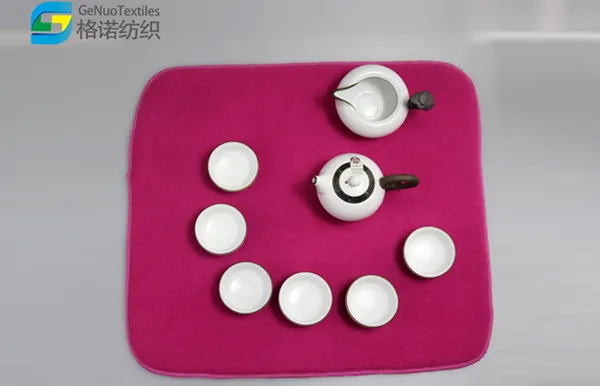



 Phone
Phone