

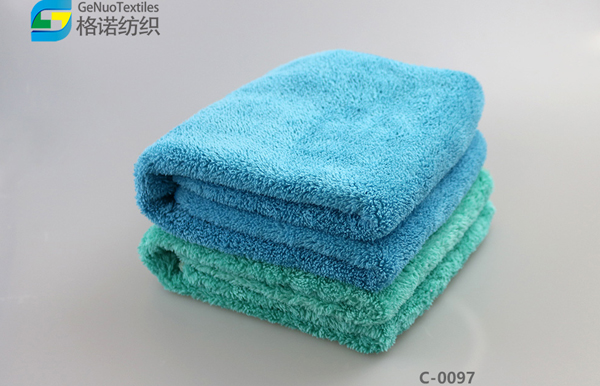
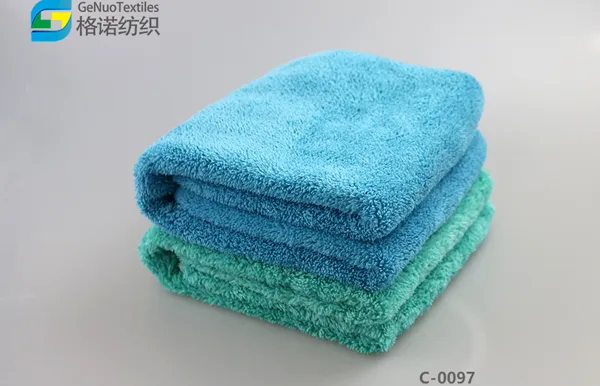
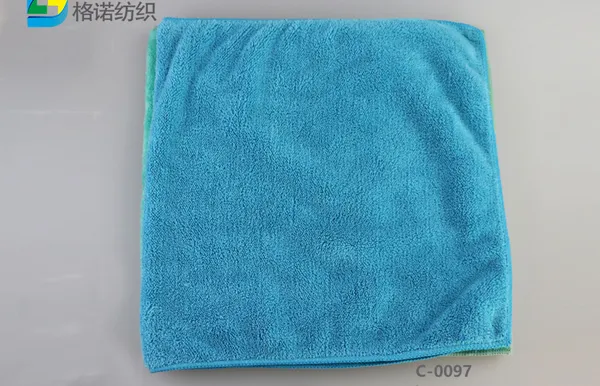
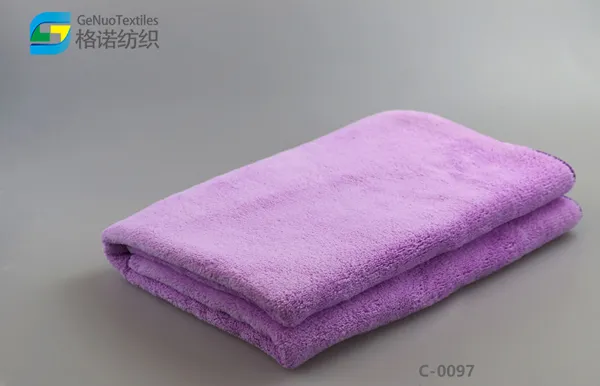
Item No.: C-0097
Material: Polyester-Cotton Blend
Size: 35*70cm, 40*40cm, 30*30cm... Customizable per client requirements
Color: Red, Yellow, Blue... Customizable per Pantone color code or color sample
Weight per Square Meter: 150-380GSM
Usage: For home, kitchen, automotive, and electronic device cleaning
Description and Usage:
(1) High water absorption with soft texture.
(2) Exceptionally durable and easy to clean without detergents.
(3) Free from chemicals and unpleasant odors.
(4) Soft, comfortable, and pleasant to the touch.
(5) Suitable for cleaning automobiles, kitchenware, furniture, and pet supplies.
Color: Customizable per client requirements
Packaging: Standard export packaging or customized packaging as requested
Place of Origin: Jiangsu, China
Payment Methods: Bank transfer, Alipay, WeChat Pay
Minimum Order Quantity: 2000 pieces
Contact:
Ms. Xiao: +86 18906226220 / 15306222870 (WeChat)
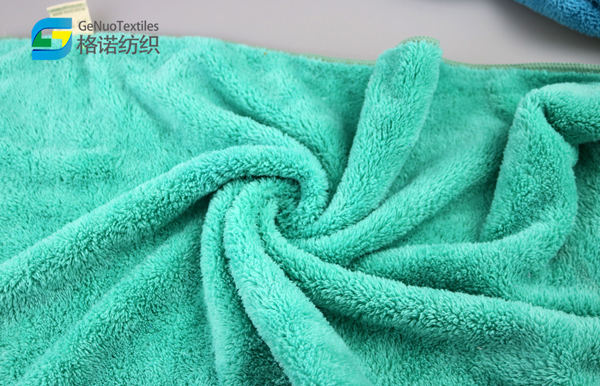
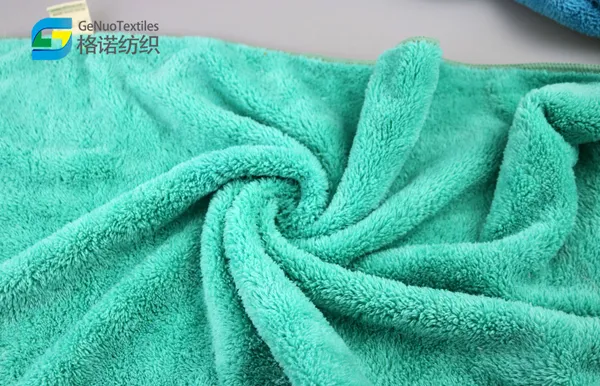
Coral Fleece Towels are home textile products made primarily from polyester microfiber, featuring a coral-like dense short-pile structure formed through special knitting processes. They are known for soft skin feel, high absorbency, and fast drying, making them suitable for bathrooms, daily cleaning, travel, and multiple household scenarios. The key information below is organized by definition, materials and performance, purchasing and care, application scenarios, and market trends.
| Dimension | Key Information |
|---|---|
| Core Material | Polyester (microfiber) ultrafine fibers; some styles use polyester–nylon blends. Fiber fineness can reach 0.05–0.1 denier, significantly finer than standard cotton fibers |
| Key Features | Coral-like short pile surface, fluffy and soft; large surface area enables fast water absorption and strong moisture retention; resists hardening over time |
| Common Sizes | Face towel: 30×60 cm; Bath towel: 70×140 cm; Hand towel: 25×50 cm; Children’s size: 35×70 cm, covering different usage needs |
| Safety Standards | Baby and maternity products should meet Class A standards; adult products are typically Class B. Premium towels pass antibacterial and optical brightener–free testing |
Raw Materials: Mainly polyester DTY ultrafine fibers. Through twisting, knitting or weaving, a pile structure is formed, followed by heat setting, dyeing, and pile shearing to improve surface uniformity and pile stability.
Key Processes: High-density knitting combined with precise pile cutting reduces lint shedding and pilling; reactive or disperse printing ensures bright colors with good colorfastness; reinforced edging improves durability.
| Performance | Advantages | Relative Limitations |
|---|---|---|
| Softness | Ultrafine fibers with low bending modulus remain fluffy and soft without fabric softener; suitable for sensitive skin and infants | Prolonged exposure to high heat or strong sunlight may cause stiffness |
| Absorbency | Large surface area absorbs water 2–3 times faster than standard cotton towels, quickly locking in moisture and reducing drying time | Once saturated, towels should be aired promptly to prevent odor |
| Durability | Resistant to shedding, pilling, and deformation; maintains softness and absorbency after repeated washing | High-temperature tumble drying may cause fiber shrinkage |
| Hygiene | Smooth fiber surfaces reduce residue buildup and bacterial growth; some products include antibacterial coatings | Breathability is slightly lower than cotton; frequent airing is recommended in humid environments |
Material Check: Prioritize products labeled “microfiber” or “Class A.” For baby use, confirm no optical brighteners or formaldehyde. Feel the surface to ensure even pile density without clumping or shedding.
Craft Quality: Inspect edging for neat stitching and no loose threads; printed patterns should be even without bleeding. High-quality towels have dense pile coverage with no visible base fabric.
Use Matching: Thin 30×60 cm towels suit daily face washing; thicker bath towels are ideal for body drying; lightweight versions are best for travel.
First Use: Wash gently in cold water to remove loose fibers and residual dye.
Routine Cleaning: Machine wash at 30–40°C using mild detergent. Avoid bleach and fabric softener. Tumble dry on low heat or air dry in shade; avoid prolonged sun exposure to prevent fiber aging.
Replacement Cycle: Replace every 2–3 months under normal conditions; in humid environments, shorten to 1–2 months to reduce bacterial buildup.
Home Use: Face washing, body drying, hair drying, baby and child care, and bathroom décor (available in multiple colors).
Outdoor & Travel: Travel and camping towels with fast-drying and compact storage benefits; gym towels for sweat absorption without bulk.
Other Uses: Light kitchen cleaning (countertops, tableware) and pet drying, suitable for multi-purpose household cleaning.
Functional Upgrades: Antibacterial, anti-mite, and optical brightener–free features are becoming standard; some products add botanical oil coatings for enhanced skin comfort.
Sustainability: Increased use of recycled polyester fibers aligns with eco-friendly consumption trends.
Design Focus: Color blocking, minimalist prints, and embroidery styles are popular, balancing practicality and decorative appeal.
| Comparison Aspect | Coral Fleece Towels | Cotton Towels |
|---|---|---|
| Softness | Remains soft over long-term use with stable texture | Tends to harden over time due to detergent residue |
| Absorbency | Fast absorption and quick drying, ideal for humid environments | Higher total water capacity but slow drying, more prone to bacteria |
| Durability | Wash-resistant, shape-stable, minimal shedding | Becomes thinner and more prone to pilling after repeated washing |
| Maintenance Cost | No need for frequent fabric softener; low-temperature washing sufficient | Requires regular softener use to prevent stiffness |
This website uses cookies to ensure you get the best experience on our website.
 Español
 Portugues



 Phone
Phone