

Beach towels are an indispensable part of a summer beach vacation. They not only add comfort to the beach chair and protect it from the high temperatures of the sun, but also serve as portable beach mats, shawls, and other items, meeting the needs of various scenarios. As consumers' demands for outdoor experiences increase, beach towels are constantly innovating in terms of material selection, functional design, and appearance, becoming a beach item that combines practicality and aesthetics. This article will comprehensively analyze beach towels from aspects such as material characteristics, functional advantages, applicable scenarios, purchasing tips, maintenance methods, and market trends, providing consumers with professional guidance.
I. Material Characteristics of Beach Towels
The material of a beach towel directly affects its absorbency, durability, and user experience. Currently, common materials on the market include pure cotton, microfiber, and cotton-linen blends, each with its unique performance characteristics.
Pure cotton is the traditional choice for beach towels. Made from natural cotton, it is soft against the skin and highly absorbent. High-quality pure cotton towels are made from long-staple cotton fibers, which are fine, long, and resilient, offering a delicate touch and causing no irritation to the skin. In a beach setting, pure cotton towels quickly absorb moisture from the body, providing a soft cushion for lounge chairs and alleviating discomfort from prolonged lying down. However, pure cotton towels become significantly heavier after absorbing water and dry more slowly, so storage space needs to be considered when carrying them.
Microfiber is a popular new fabric in recent years, made from a blend of polyester and nylon in a specific ratio. The fiber diameter is only a fraction of that of a human hair. Beach towels made from this material have superior absorbency, absorbing several times their own weight in water while remaining lightweight and easy to carry. Furthermore, the smooth surface of microfiber prevents sand from easily adhering; a shake after use removes most sand, reducing cleaning burden. In addition, Microfiber Towels dry quickly in the sun, making them suitable for frequent beach use.
Cotton-linen blends combine the softness of cotton with the breathability of linen, making them a popular choice for consumers seeking a natural style. Linen fibers offer excellent breathability and antibacterial properties, keeping the fabric dry even in high temperatures and preventing stickiness from sweat. The absorbency of cotton-linen blend towels falls between that of pure cotton and microfiber, offering good durability and maintaining its shape even after multiple washes. However, the texture is relatively rough, making them more suitable for users who prioritize functionality over softness.
II. Functional Advantages of Beach Towels
(I) Multifunctional Adaptability
While designed as a mat for beach chairs, beach towels offer a variety of functions in practice. Laying them on a beach chair insulates against heat and stains, enhancing comfort; laid flat on the sand, they serve as a temporary beach mat, preventing direct contact with rough sand; rolled up and tied around the waist, they act as a sunshade to protect against UV rays; and wrapped around the body after swimming, they quickly absorb moisture and provide warmth. This "multi-purpose" feature reduces the amount of outdoor gear needed, improving convenience.
(II) Sun Protection and Durability
High-quality beach towels use a tight weave, providing some sun protection and reducing direct sunlight on the skin when placed on a beach chair. Simultaneously, to withstand the friction, pulling, and seawater erosion of the beach environment, beach towels need to be highly durable. Whether made of pure cotton with pre-shrinking treatment or microfiber with reinforced weaving, they should not easily deform, pill, or tear after repeated use, adapting to the complex outdoor conditions.
(III) Ease of Cleaning and Portability
In a beach environment, towels inevitably accumulate sand, seawater, and sunscreen stains, making ease of cleaning crucial. Microfiber and cotton-linen blend towels are mostly machine washable and do not easily retain stains after washing; while pure cotton towels are highly absorbent, prolonged soaking in seawater should be avoided to prevent salt from causing fiber hardening. In terms of portability, most beach towels are designed with a foldable pouch or strap, making them compact when folded and easy to put into a beach bag without taking up too much space.
(IV) Decorative and Personalized Features
With rising aesthetic demands, beach towels are no longer limited to a single practical function; their design has become a crucial factor in attracting consumers. Vibrant colors and unique patterns (such as tropical plants, marine elements, and geometric patterns) can add vitality to the beach scene while also reflecting the user's personality. Some brands also offer customization services, allowing users to print exclusive designs or text, making the beach towel a personalized symbol of their vacation.
III. Applicable Scenarios for Beach Towels
(I) Core Beach Vacation Scenarios
When on a beach vacation, a beach towel is a core piece of equipment that complements the beach chair. As the morning sun intensifies, laying a towel on a lounge chair provides insulation from the high temperatures of plastic or metal materials, while also offering a soft surface for a more relaxing sunbathing experience. In the afternoon, when the sea breeze is stronger, fold the towel in half and place it under your neck or lower back for added support. Before leaving in the evening, use the towel to wipe away any remaining sand and moisture, then fold and store it for easy transport.
(II) Pools and Water Parks
Besides the beach, pools and water parks are also frequent locations for beach chair towels. Poolside lounge chairs also get warm from the sun; laying a towel on them enhances comfort. After getting out of the pool, quickly dry yourself with a towel to avoid catching a chill. While waiting in the rest area, lay the towel on the ground or a bench as a temporary cushion to keep your clothes dry. For families with children, a large beach chair towel can also serve as a playmat, providing a clean space for activities by the pool.
(III) Outdoor Camping and Picnics
The versatility of beach chair towels makes them suitable for outdoor camping and picnics as well. When camping, it can be laid on the sleeping mat inside the tent to increase softness; during picnics, it can be used as a picnic blanket on the grass, both aesthetically pleasing and moisture-proof; when the temperature drops at night, it can also be used as a thin blanket to keep warm. Its durability and ease of cleaning allow it to withstand dirt, dust, and other stains in the camping environment, reducing cleaning burden.
(IV) Home and Hotel Leisure
Even when not outdoors, beach towels can find their place in homes and hotels. Laying a brightly colored beach towel on a lounge chair on a family balcony or patio creates a vacation atmosphere; providing high-quality beach towels on hotel terraces or pool areas enhances the service experience and makes guests feel cared for.
IV. Tips for Purchasing Beach Towels
(I) Choosing Materials Based on Usage Needs
When purchasing, you should choose the material based on your own usage habits. If you prioritize softness, skin-friendliness, and absorbency, and don't mind a slightly heavier feel, pure cotton is the ideal choice. For lightweight, quick-drying, and sand-resistant properties, microfiber is more suitable. If you prefer a natural style and value breathability, a cotton-linen blend will suffice. Considering usage frequency and cleaning conditions, microfiber is the preferred choice for frequent use and machine washing.
(II) Consider Size and Thickness
The size of the beach towel should match the beach chair. Common sizes are 70cm×140cm and 80cm×160cm. A towel that is too large will hang down on the sides of the chair, easily attracting dirt; a towel that is too small will not fully cover the chair, affecting its usability. Regarding thickness, a medium-thickness towel (approximately 300-400 grams per square meter) is suitable for summer use, balancing absorbency and breathability. If warmth is also needed, a slightly thicker towel (over 400 grams per square meter) can be chosen, but note that increased thickness will affect portability.
(III) Checking Craftsmanship and Detail Design
High-quality beach towels have strict requirements for craftsmanship. Observe whether the edges are bound; towels with neat edges and fine stitching are more durable and less prone to unraveling. Check the fabric density; gently stretch it by hand. High-density towels are less likely to deform and have better sand resistance. In addition, detail design is also important, such as whether there is a hanging rope for easy drying, a storage bag for easy carrying, and whether the printed patterns are clear and do not easily fade. These details can enhance the user experience.
(IV) Referring to Brands and User Reviews
Choosing products from reputable brands provides greater assurance in material selection, production processes, and quality testing, reducing the risk of purchase. At the same time, check other users' reviews, paying attention to real feedback on the towel's actual absorbency, shedding, and durability, avoiding being misled by false advertising. For products with significant price differences, compare materials, craftsmanship, and functions, rather than simply pursuing the lowest price, to ensure reasonable value for money.
V. Beach Towel Care
(I) Proper Cleaning and Stain Removal
If sand gets on the towel after use, shake off the surface sand before washing to avoid abrading the fabric. Choose the appropriate washing method based on the material: Pure cotton towels are recommended to be hand-washed or machine-washed with a neutral detergent at a water temperature not exceeding 30℃, and avoid using bleach; Microfiber Towels can be machine-washed at a water temperature below 40℃, and no fabric softener is needed after washing to avoid affecting absorbency; Cotton-linen blend towels can be machine-washed normally, but avoid prolonged soaking. When cleaning oily stains such as sunscreen, increase the amount of detergent appropriately to ensure complete removal of the stains.
(II) Proper Drying and Storage
After washing, beach towels should be dried promptly to prevent bacterial growth in a damp environment. Pure cotton towels are suitable for air drying, avoiding direct sunlight to prevent the fabric from hardening; Microfiber and cotton-linen blend towels can be dried in the sun, drying quickly and without deformation. After completely drying, fold neatly and place in a storage bag. Store in a dry, well-ventilated place, avoiding contact with chemicals such as mothballs to prevent fabric damage or odor. When not in use for extended periods, it is recommended to periodically remove and air dry to maintain dryness.
(III) Avoid Overuse and Replace Promptly
Although beach chair towels are relatively durable, overuse can still lead to fiber aging and decreased absorbency. It is recommended to replace them regularly based on usage frequency. Generally, check the towel's condition after each summer's use. If it becomes noticeably thinner, pills, has holes, or its absorbency decreases, replace it promptly to ensure effectiveness and hygiene. For printed towels, if the pattern fades significantly, affecting aesthetics, consider replacing with a new one.
VI. Market Trends for Beach Chair Towels
With the rise of the outdoor economy, the beach chair towel market is showing a trend towards functional upgrades and diversified designs. In terms of function, antibacterial and UV protection have become new selling points. Some brands add antibacterial ingredients to the fabric to inhibit bacterial growth; and use special weaving processes or coating technologies to improve the towel's sun protection index, providing users with more comprehensive protection. Meanwhile, environmental awareness is also influencing product design, with an increasing number of beach towels made from eco-friendly materials such as organic cotton and recycled fibers, meeting consumer demand for sustainable products.
In terms of design, personalization and scenario-based design have become mainstream. Brands are launching series of patterns related to vacation destinations, such as island scenery and folk culture, making the towels a carrier of travel memories. For families, they are launching parent-child beach towel sets with matching patterns to enhance family interaction. Furthermore, cross-industry collaborations are commonplace, with renowned designers partnering with outdoor brands to launch limited editions or incorporating popular culture elements into the designs to attract younger consumers.
Regarding sales channels, online platforms are the primary purchasing channel due to their convenience. Consumers can browse various styles on e-commerce platforms and choose products based on reviews. Offline, outdoor stores and department stores offer physical experiences, allowing consumers to directly feel the material and texture of the towels. Some brands also offer customization services to meet the personalized needs of corporate team building activities and family gatherings, expanding the market application scope.
VII. Conclusion
Beach lounge towels, as practical outdoor gear for summer, have been continuously optimized in terms of material selection, functional design, and scene adaptability, bringing consumers a more comfortable and convenient vacation experience. Whether it's the softness of pure cotton, the lightweight of microfiber, or the natural feel of cotton-linen blends, they can meet the needs of different users. The combination of multifunctionality and decoration makes them a vacation item that combines practicality and aesthetics.
When purchasing, consider the usage scenario, material characteristics, and detailed design, while also paying attention to maintenance methods to extend the towel's lifespan. With market development, beach lounge towels with more comprehensive functions, more personalized designs, and stronger environmental protection attributes will continue to emerge, adding more fun and convenience to people's outdoor leisure life. In future beach vacations, a suitable beach lounge towel will become an important element in enhancing the experience, making every seaside trip more pleasant and comfortable.
Beach lounge chair towels are specially designed functional towels to fit outdoor lounge chairs. They feature large dimensions for full-body coverage, quick-drying, sand-resistant, and easy-to-clean properties. Materials commonly include cotton (Egyptian/Turkish), polyester-nylon microfiber (typically 80/20 blend), and cotton-linen/cotton-viscose blends, woven as terry, cut-pile, or plain weave. Optional post-treatment includes sand-resistance, UV protection, and antibacterial finishing for outdoor comfort and portability.
| Feature | Description |
|---|---|
| Lounge Chair Fit | Oversized coverage for lounge chairs and body; terry/cut-pile layers provide softness and reduce pressure, improving comfort during long periods of use |
| Sand-Resistant & Easy to Clean | Microfiber/plain-weave quickly shakes off sand; cotton terry minimally sticks when dry, and sand easily removed when damp |
| Highly Absorbent & Quick-Dry | Cotton absorbs 8–10× its weight; microfiber dries within 30 minutes (sun/ventilation), reducing risk of cooling after use |
| Durable & Long-Lasting | Resistant to chlorine and salt; repeated machine wash (≤40°C) without fading, pilling, or shrinking; outdoor lifespan ≥2 years |
| Decorative & Functional | Colorfast prints (≥3–4), stripes/tropical/geometric designs suitable for resort style; also usable as throws or picnic mats |
Dimensions: Standard 90×180 cm, 100×180 cm; extra-large 120×180 cm; suitable for single/double lounge chairs; variants with straps/pockets for portability
GSM/Weight: Cotton 280–600 g/m² (heavier for high absorption); microfiber 180–350 g/m² (lightweight and portable)
Weave/Style: Terry (high absorption), Cut-pile (soft), Plain-weave (sand-resistant); strap/pocket options for fixing and storage
Finishing: Water-based PU coating, UV protection (UPF 30–50), silver-ion antibacterial treatment for outdoor use
Weaving: Cotton/microfiber blends woven as terry, cut-pile, or plain weave with density ≥400 threads/10 cm
Post-treatment: Pre-shrinking (shrinkage ≤3%), sand-resistance, UV, and antibacterial finishing to improve outdoor suitability
Printing & Color Fixing: Disperse/reactive/paint printing, 120–150 °C baking to ensure colorfastness and sun/wash durability
Cutting & Accessories: Precision cutting, ultrasonic/four-thread hemming, reinforced straps/pockets to prevent fraying and tearing
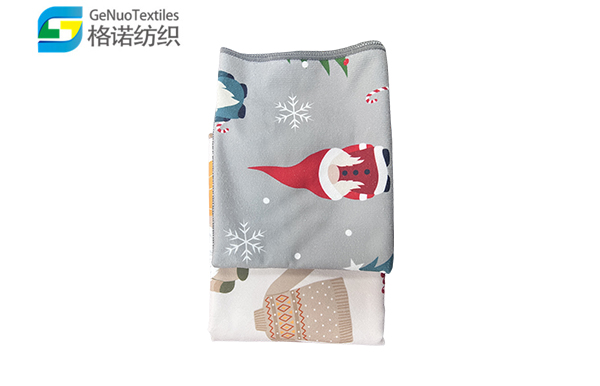
Beach/Pool: Covers lounge chairs to prevent sand and dirt, usable as a blanket after drying; pocket variants store small items
Patio/Yard: Fits outdoor lounge chairs, can be used as a throw or seat cover; PU coating protects from splashes
Vacation/Camping: Foldable and portable; doubles as picnic mat/temporary blanket; quick-dry and easy to pack
Usage Tips: Lay dry to prevent sand; wring wet towels before use; shake sand off before rolling for storage
| Material | Absorbency | Quick-Dry | Sand Resistance | Weight | Suitable Use |
|---|---|---|---|---|---|
| Long-staple cotton | Excellent | Medium | Medium | Heavy | Soft, high absorbency; hotels/resorts |
| Polyester-nylon microfiber | Good | Excellent | Excellent | Light | Portable, quick-dry; beach/camping/family |
| Cotton-viscose blend | Good | Good | Good | Medium | Balanced comfort and portability; daily outdoor use |
Washing: Machine wash ≤40 °C, neutral detergent; no bleach or strong alkali; wash with similar colors
Drying: Low-temperature tumble dry or air-dry; avoid direct sunlight (except UV-treated variants)
Storage: Keep in a dry, ventilated area; prevent moisture/mold; avoid sharp objects to prevent snagging
Restrictions: Do not iron at high temperatures (>110 °C), avoid prolonged contact with chlorine/salt without washing, prevent color fading
| Material | Weave/Style | Size (cm) | GSM (g/m²) | Sand Resistance | UV Protection (UPF) | Antibacterial | Notes |
|---|---|---|---|---|---|---|---|
| Long-staple cotton | Terry | 90×180 / 100×180 / 120×180 | 280–600 | Medium | Optional | Optional | Soft, high absorbency, luxury resorts |
| Polyester-nylon microfiber | Plain / Cut-pile | 90×180 / 100×180 / 120×180 | 180–350 | High | UPF 30–50 | Silver-ion | Quick-dry, portable, beach/camping |
| Cotton-viscose blend | Terry / Plain | 90×180 / 100×180 / 120×180 | 250–400 | Medium-High | Optional | Optional | Balanced comfort and ease of care |
This website uses cookies to ensure you get the best experience on our website.
 Español
 Portugues



 Phone
Phone