

Item No.: C-0033
Material: Polyester-cotton
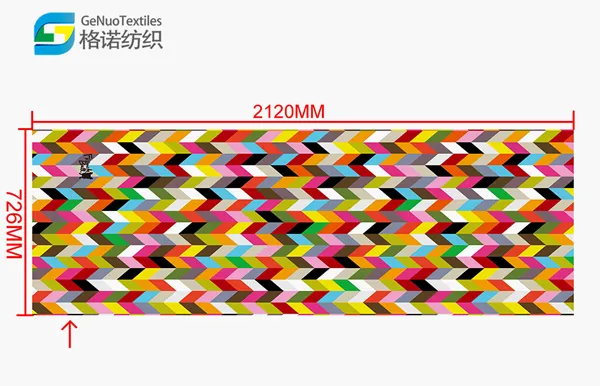
Size: 35*70cm, 40*40cm, 30*30cm… Customized according to customer requirements
Color: Red, Yellow, Blue… Customized according to Pantone color codes or samples
Gram Weight: 150-380 GSM
Uses: For cleaning household, kitchen, car, and electronic instruments
Description and Use:
(1) High absorbency and soft to the touch.
(2) Very durable and easy to clean without detergent.
(3) Contains no chemicals and has no unpleasant odor.
(4) Soft, comfortable, and with a good feel
(5) Suitable for cleaning various cars, kitchenware, furniture, and pet supplies
Color: According to customer requirements
Packaging: Standard export packaging or customized packaging according to customer requirements
Place of Origin: Jiangsu, China
Payment Method: Bank transfer, Alipay, WeChat
Minimum Order Quantity: 2000 pieces
Contact Person: Ms. Xiao: +86 18906226220 / 15306222870 (WeChat)
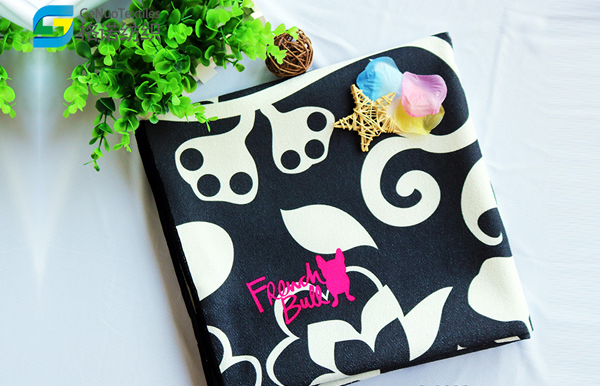
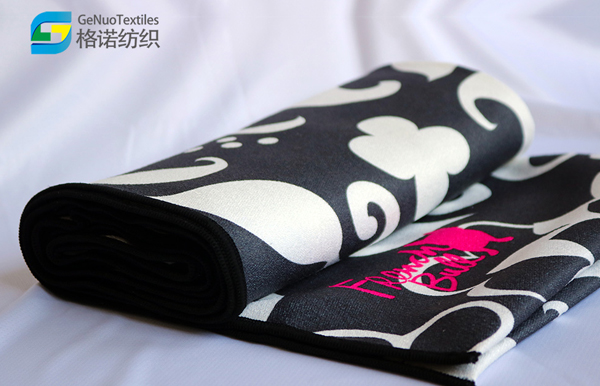
The ant print fabric yoga towel is a commonly used accessory in yoga practice. Made primarily from ant print fabric and combined with printed patterns and anti-slip design, it offers strong moisture absorption, quick drying, slip resistance, durability, and easy portability. It is suitable for various yoga styles and everyday fitness needs. The following sections systematically present product-related information, including definition, key features, manufacturing processes, specifications, usage and care, and purchasing considerations.
An ant print fabric yoga towel is a yoga-specific covering towel designed to be placed on top of a yoga mat. It uses ant print fabric (also known as fancy yarn Microfiber Fabric) as the primary surface material, features printed patterns created through printing techniques, and incorporates an anti-slip backing. Its main functions include sweat absorption, slip prevention, hygiene isolation, and enhanced safety and comfort during yoga practice.
Ant print fabric is a type of microfiber textile produced through a special knitting process. Its surface displays dense, fine textured patterns resembling traces left by ants, which gives the fabric its name. The material is typically composed of polyester and nylon, with some versions incorporating a small amount of spandex to improve elasticity.
Main composition: Common blends include polyester–nylon combinations (such as 80–90% polyester and 10–20% nylon). Some styles contain approximately 5% spandex to enhance stretch, while fully polyester ant print fabric is also used to improve durability. Polyester–nylon blends balance fast moisture absorption with a soft hand feel, while spandex improves adaptability during stretching movements.
Microstructure: Ant print fabric is produced using ultra-fine fiber knitting technology, with single filament fineness typically ranging from 0.1 to 0.3 dtex. The large surface area of these fibers is the key factor behind the fabric’s excellent moisture absorption. The dense structure also contributes to a smooth and comfortable touch.
The ultra-fine fiber structure of ant print fabric provides significantly higher moisture absorption than ordinary cotton towels. It rapidly absorbs sweat generated during yoga practice, preventing slippery layers from forming between the body and the yoga mat. At the same time, the porous structure allows efficient airflow, enabling moisture to evaporate quickly. This makes it particularly suitable for hot yoga, power yoga, and other high-sweat activities. Compared with traditional cotton yoga towels, Ant Print Yoga Towels dry faster and maintain stable absorption performance after repeated use.
Slip resistance is a key feature of ant print yoga towels and is achieved through two main mechanisms. First, the back side is treated with eco-friendly PVC dots or silicone grips, commonly arranged in plum blossom or linear patterns, to increase friction with the yoga mat and prevent movement. Second, the textured surface of ant print fabric itself provides additional grip against the skin. Together, these features reduce the risk of slipping during large movements or intense sweating, ensuring safer practice.
Polyester–nylon materials used in ant print fabric offer strong chemical stability and abrasion resistance, outperforming pure cotton in durability. The fabric resists pilling and deformation and maintains its shape and performance after repeated washing. These yoga towels are machine washable, dry quickly after cleaning, and require minimal maintenance, making them suitable for frequent use and daily transport.
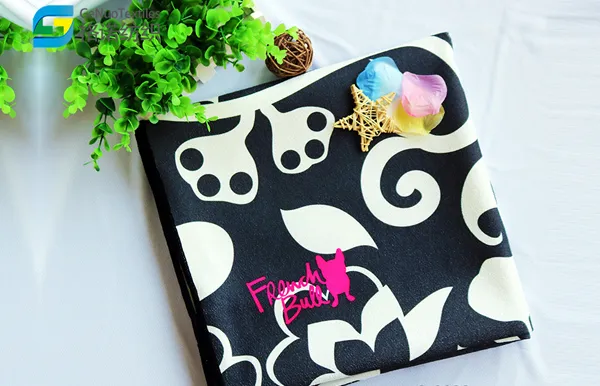
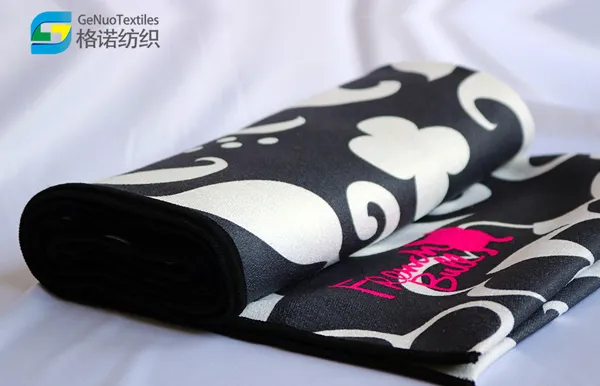
Ant print yoga towels commonly use digital printing or heat transfer printing techniques. These methods produce clear, vivid patterns with rich colors and strong colorfastness. Digital printing allows precise reproduction of complex designs and reduces environmental impact by eliminating printing plates, making it suitable for small-batch customization. Even after repeated washing, printed designs remain intact, enhancing both aesthetics and personalization options.
With a typical weight range of 300–550 g, ant print yoga towels can be easily folded and stored, often paired with mesh carry bags for portability. In addition to yoga use, they can function as sports towels, outdoor picnic mats, or beach towels, making them suitable for fitness, camping, and travel scenarios.
Spinning stage: Ultra-fine polyester and nylon chips (and optional spandex chips) are processed through melt spinning to produce microfiber filaments. Filament fineness and draw ratios are carefully controlled to ensure softness and strength.
Knitting stage: Warp knitting or weft knitting techniques are used, with special needle arrangements forming the distinctive textured surface of ant print fabric. Fabric density is controlled to balance moisture absorption and breathability. Typical fabric weight ranges from 180–220 g/m², with fabric widths of 160–180 cm to suit standard yoga towel sizes.
Digital printing: Widely used for its high precision, accurate color reproduction, and flexibility in small-batch customization. The absence of printing plates reduces pollution and supports eco-friendly production.
Heat transfer printing: Designs are first printed onto transfer paper and then transferred to the fabric under high temperature and pressure. This method is suitable for large-scale production, offering strong pattern durability.
Environmental considerations: Low-VOC, formaldehyde-free dyes are commonly used to ensure safety and meet green product requirements.
Anti-slip backing: Eco-friendly PVC or silicone is applied through dotting processes to form regular grip patterns on the back. After curing, these dots enhance slip resistance. Higher-end products may use full silicone coatings for more uniform grip and improved softness.
Finishing processes: Edges are tightly overlocked to prevent fraying. Some products undergo pre-shrinking and anti-static treatments to reduce wrinkling and dust attraction, improving overall user experience.
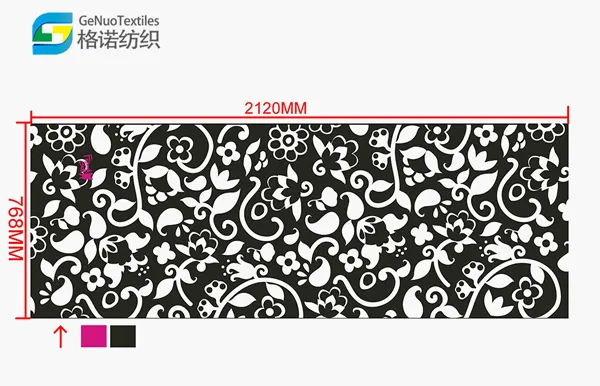
Standard sizes: 180 × 63 cm and 183 × 63 cm to match most yoga mats. Imperial sizes such as 72" × 27" are also available. Custom sizes can be produced for children’s yoga or partner yoga applications.
Thickness: Typically 0.8–1.5 mm, balancing softness, durability, and portability.
Internal quality: Evaluated based on textile industry standards, including absorption performance, colorfastness, density deviation, and tensile strength. Wash colorfastness generally meets Grade 3 or above.
Appearance quality: Printed patterns should be clear and uniform, grip dots evenly distributed, and stitching neat, with no visible defects such as color bleeding or edge loosening.
Placement: Lay flat on a dry yoga mat, ensuring full contact between the anti-slip backing and the mat surface. Remove surface dust before use to enhance comfort.
Scenario selection: Heavier-weight towels are recommended for hot yoga, while lighter versions are suitable for travel or outdoor practice.
Washing: Machine washable with neutral detergent. Water temperature should be kept below 30°C. Avoid bleach and fabric softeners to protect fabric structure and printed designs.
Drying and storage: Air dry naturally or tumble dry on low heat. Avoid prolonged sun exposure to prevent fading and aging of grip dots. Store folded in a dry, ventilated place.
Precautions: Avoid sharp objects that may damage the fabric or remove grip dots. Regular cleaning helps maintain hygiene and extend service life.
Material and feel: Polyester–nylon blends are preferred for balanced softness and fast drying. The surface should feel smooth without roughness, and grip dots should be firmly attached.
Slip resistance: Test the backing adhesion and stability on a yoga mat.
Print quality: Patterns should be sharp and evenly colored, with good wash durability.
Size and weight: Choose appropriate dimensions for the yoga mat and a fabric weight of 180–220 g/m² for optimal balance.
Pattern customization: Digital printing enables personalized designs, suitable for yoga studios and fitness centers. Design coverage should consider breathability.
Specification customization: Size, weight, and grip dot patterns can be adjusted for specific user needs, such as lightweight versions for outdoor activities or smaller sizes for children.
Yoga practice: Widely used in hot yoga, flow yoga, and restorative yoga, helping isolate bacteria from yoga mats and maintain hygiene.
Extended uses: Suitable as sports towels, picnic mats, or beach towels, enhancing overall practicality.
Sustainability: Increasing use of recycled polyester and bio-based nylon, along with eco-friendly printing and grip materials.
Functional integration: Incorporation of antibacterial or cooling features to expand usability.
Design diversification: Printed patterns are evolving toward personalization and IP collaborations, meeting growing demand for aesthetic differentiation.
This website uses cookies to ensure you get the best experience on our website.
 Español
 Portugues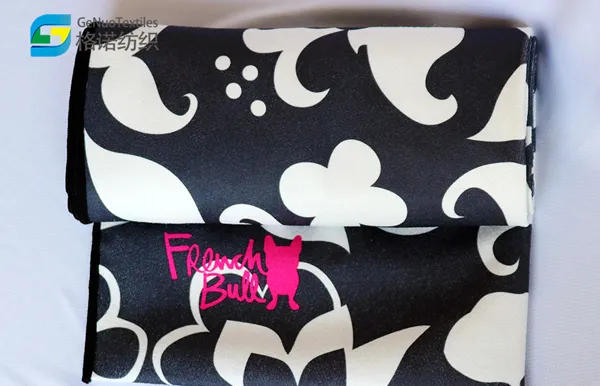



 Phone
Phone