

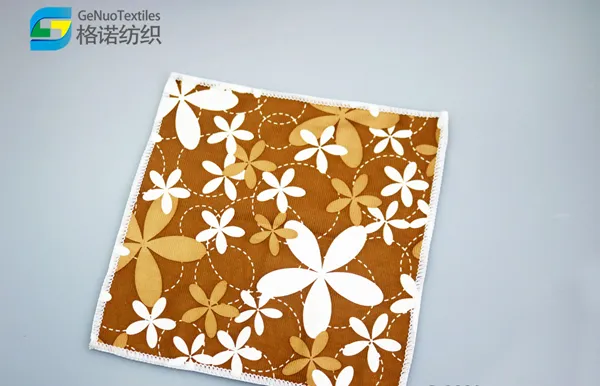
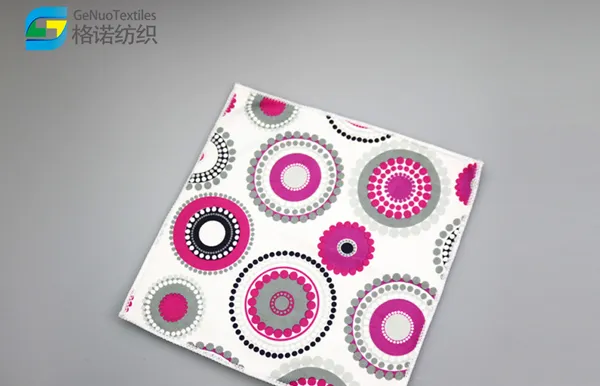
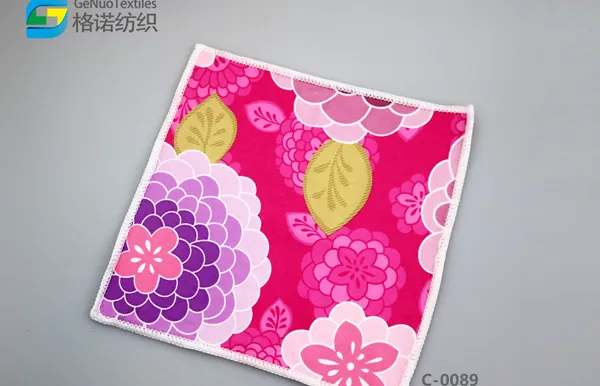
Item No.: C-0089
Material: Polyester-cotton
Size: 35*70cm, 40*40cm, 30*30cm… Customized according to customer requirements
Color: Red, Yellow, Blue… Customized according to Pantone color codes or samples
Gram Weight: 150-380 GSM
Uses: For cleaning household, kitchen, car, and electronic instruments
Description and Use:
(1) High absorbency and soft to the touch.
(2) Very durable and easy to clean without detergent.
(3) Contains no chemicals and has no unpleasant odor.
(4) Soft, comfortable, and with a good feel
(5) Suitable for cleaning various cars, kitchenware, furniture, and pet supplies
Color: According to customer requirements
Packaging: Standard export packaging or customized packaging according to customer requirements
Place of Origin: Jiangsu, China
Payment Method: Bank transfer, Alipay, WeChat
Minimum Order Quantity: 2000 pieces
Contact Person: Ms. Xiao: +86 18906226220 / 15306222870 (WeChat)
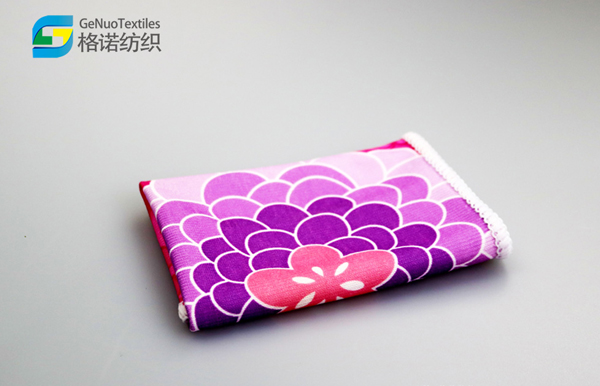
25 square handkerchiefs Printed with Glass Cloth are square fabrics with a side length of approximately 25 cm, made from glass fiber cloth as the base material and processed with printing techniques. They combine the functional properties of glass cloth with the decorative features of printing, suitable for specialized applications in multiple fields.
Base Material Composition
The base is a glass fiber fabric, primarily composed of silica and other inorganic non-metallic materials, woven from glass fiber yarn. Depending on the weaving method, it can be plain weave, twill, or satin weave, with different thicknesses and densities to suit various usage needs.
Key Physical Properties
High Temperature Resistance: Glass fiber has a high melting point. Glass cloth can be used short-term at 200–500°C, with long-term usage above 150°C, far exceeding the heat limits of cotton or synthetic handkerchiefs.
Corrosion Resistance: Chemically stable, resistant to acids, alkalis, and organic solvents. It maintains shape and quality even in humid or chemically aggressive environments.
Excellent Insulation: Glass fiber is an inorganic insulating material. Glass cloth provides good electrical insulation and effectively prevents current conduction.
High Strength and Tear Resistance: Glass fiber has higher tensile strength than most natural and synthetic fibers, making the handkerchief durable and resistant to wear.
Limitation: The texture is relatively stiff and coarse, making direct skin contact uncomfortable, so it is rarely used for personal cleaning.
Applicable Printing Methods
Due to the chemical inertness of glass cloth, ordinary dyes do not adhere well. Typically, coating printing or high-temperature transfer printing is used:
Coating Printing: Special paint is applied to the surface of the glass cloth via printing equipment, then fixed at high temperature. This produces vibrant, three-dimensional patterns that are abrasion- and wash-resistant.
High-Temperature Transfer Printing: Patterns are first printed on transfer paper, then transferred to the glass cloth under high heat and pressure. This method suits fine, complex designs and ensures the print layer bonds firmly with the fabric, preventing peeling.
Purpose of Printed Patterns
Besides enhancing aesthetics, some prints serve functional purposes, such as indicating measurement scales, warning symbols, or branding, enabling quick identification and use in industrial or specific settings.
Size Standard: Sides precisely controlled at 25 cm, square design. Edges may be cut and hemmed to prevent fiber shedding and ensure uniform size.
Thickness and Density: Common thickness ranges from 0.1–0.5 mm. Density is adjusted for usage: industrial-grade handkerchiefs reach 100–200 g/m² for strength and durability, while lightweight versions are 50–100 g/m² for flexibility.
Core Advantages
Outstanding Functionality: High temperature resistance, corrosion resistance, insulation, and high strength meet specialized requirements.
Durable Prints: Specialized printing ensures patterns do not fade or peel, retaining clarity after prolonged use.
Compact and Portable: The 25 cm size makes it easy to store and carry for small-scale operations.
Main Application Scenarios
Industrial Cleaning: Wipe oil, dust, or debris from precision instruments or machinery. No fiber shedding prevents contamination. Can also handle high-temperature surfaces without damage.
Electrical Insulation and Protection: Serves as a temporary insulation pad in electrical maintenance or electronics manufacturing, isolating current and ensuring safety.
Chemical Experiment Assistance: Wipe chemical residues from lab equipment. Resistant to acids and alkalis, no reaction with chemicals.
Decoration and Labeling: Some printed glass cloth handkerchiefs serve as decorative accessories for industrial equipment or labs, or as gifts and souvenirs, combining utility with aesthetics.
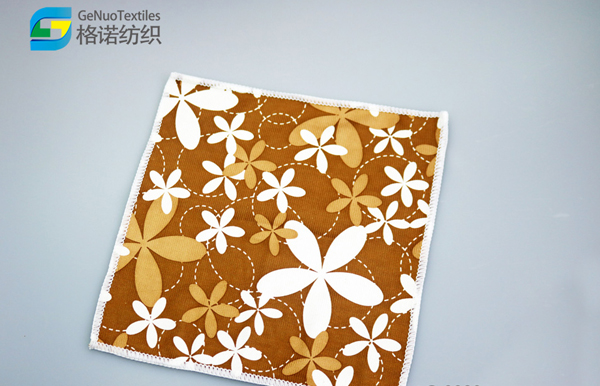
Clean with neutral detergent, gently brush. Avoid vigorous rubbing to prevent fiber damage. Air dry naturally; do not use high heat to prevent aging of printed layers.
Avoid contact with sharp objects to prevent scratches and preserve print integrity.
Not suitable for direct skin contact due to coarse fibers.
This website uses cookies to ensure you get the best experience on our website.
 Español
 Portugues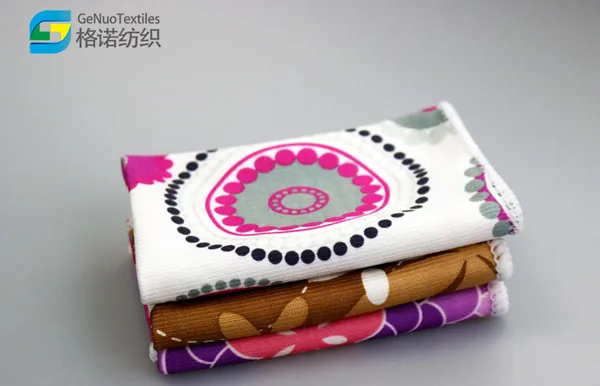



 Phone
Phone