

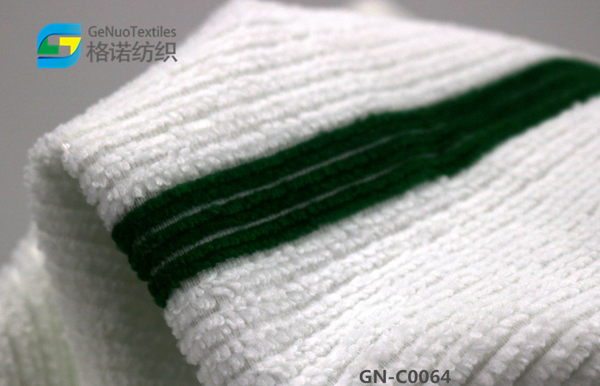
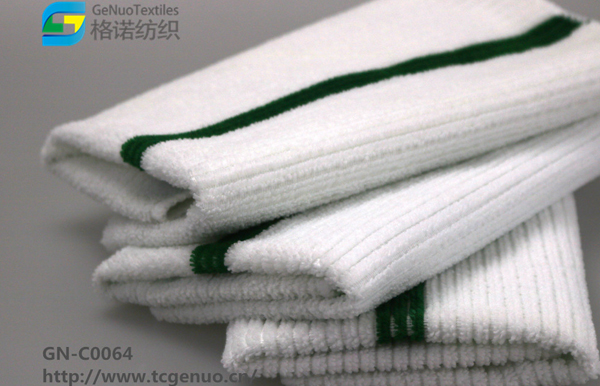
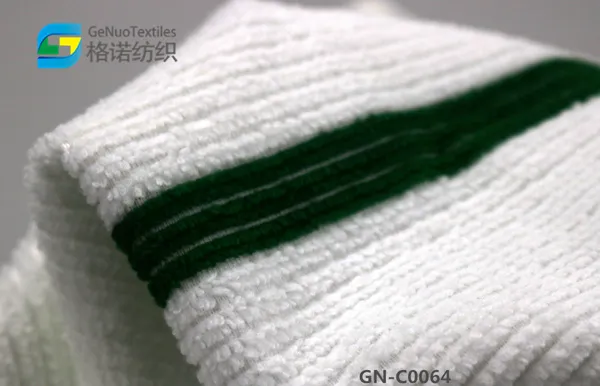
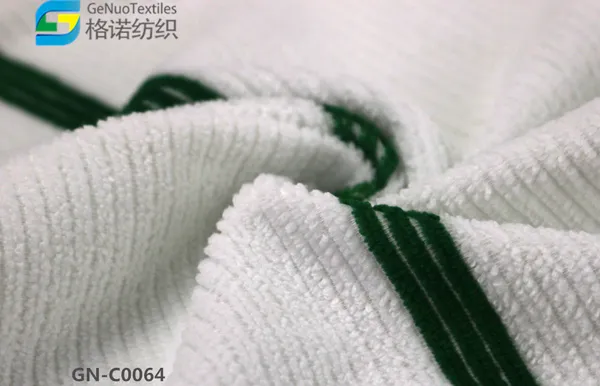
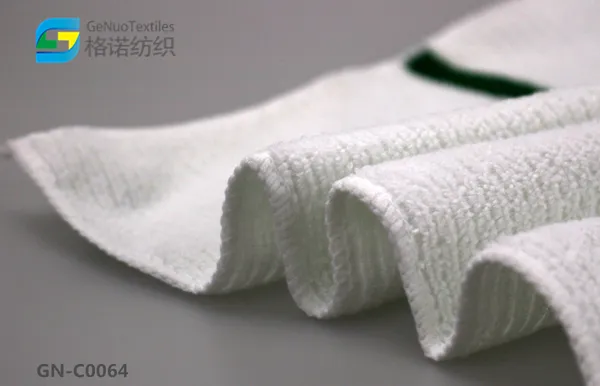
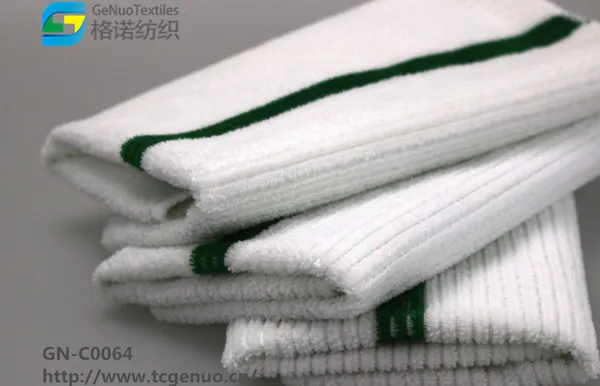
Product Number: GN-C0064
Material: 100% Polyester + Cationic
Size: 35*70cm, 40*40cm, 30*30cm… Customized according to customer requirements
Color: Red, Yellow, Blue… Customized according to Pantone color codes or samples
Weight per Square Meter: 200-350 GSM
Uses: For cleaning household, kitchen, car, and electronic instruments
Description and Use:
(1) High absorbency and soft to the touch.
(2) Very durable and easy to clean without detergent.
(3) Contains no chemicals and has no unpleasant odor.
(4) Soft, comfortable, and with a pleasant feel.
(5) Suitable for cleaning various types of cars, kitchenware, furniture, and pet supplies.
Color: As per customer requirements
Packaging: Standard export packaging or customized packaging as per customer requirements
Country of Origin: Jiangsu, China
Payment Method: Bank transfer, Alipay, WeChat
Minimum Order Quantity: 2000 pieces
Contact Person:
Ms. Xiao: +86 18906226220/15306222870 (WeChat)
100% Polyester Cationic Striped Towels are towel products made entirely from polyester fibers, processed with cationic modification technology and woven to create distinctive colored stripe patterns. They combine the durability of polyester with the color and functional advantages of cationic dyeing. The following introduction covers core materials, manufacturing processes, performance characteristics, and application scenarios.
The towel is constructed entirely from polyester fibers. The key structure features cationic-modified polyester yarns in the warp direction combined with standard polyester yarns in the weft direction. This fiber combination enables differentiated dyeing performance and a unique striped appearance.
Cationic polyester is produced by introducing polar functional groups (such as SO₃Na) into polyester chips during polymerization, typically using dimethyl isophthalate. While its appearance is similar to standard polyester, its dyeing behavior is significantly enhanced.
Warp cationic yarns and weft conventional polyester yarns are dyed separately using cationic dyes and disperse dyes. Due to differences in dye affinity and absorption behavior, the fabric surface displays clear two-color or multi-color stripe patterns with strong visual contrast and a refined texture.
These towels are typically produced using warp knitting or weft knitting structures, featuring a uniform and fine pile surface. Stripe designs include fixed-interval single-color stripes, multi-color combinations, and gradient stripes. Some products incorporate reinforced edging, hanging loops, or other functional details.
| Process Stage | Key Points | Resulting Effect |
|---|---|---|
| Fiber Modification | Introduction of polar groups to reduce crystallinity | Improved dye uptake and color penetration |
| Weaving | Warp cationic yarn + weft standard polyester yarn | Stable stripe structure and uniform pile |
| Dyeing | Separate dyeing with cationic and disperse dyes | Bright multi-color stripes with high colorfastness |
| Finishing | Optional antibacterial, antistatic, stain-resistant, flame-retardant treatments | Expanded applications and enhanced user experience |
Fiber Fineness: Commonly made with microfiber specifications, with fiber diameters around 0.4 μm, approximately one-tenth the thickness of silk, resulting in a soft and dense pile.
Weight (GSM): Standard versions range from 55–90 g per piece, while thicker options may exceed 150 g. Common sizes include 35×70 cm, 40×60 cm, and 70×140 cm.
Durability: Polyester fibers offer high tensile strength and toughness, with abrasion resistance second only to nylon. The towels withstand repeated washing without tearing, ensuring a long service life.
Water Absorption and Cleaning Performance: The microfiber structure delivers strong water absorption and effective dirt removal without scratching surfaces or shedding lint.
Easy Cleaning and Fast Drying: Enhanced hydrophilicity compared to standard polyester allows faster drying and reduced residue retention after washing.
Colorfastness: Strong bonding between cationic dyes and fibers, combined with high-temperature dyeing processes, significantly reduces fading over time.
Chemical Stability: Resistant to corrosion, dilute alkalis, bleaching agents, and UV exposure, making the towels suitable for various environments.
Additional Functional Options: Post-finishing treatments can provide antibacterial, antistatic, or mildew-resistant properties for specialized use cases.
Products comply with standards such as GB/T 22864-2009. High-quality versions may meet Class A infant safety standards, free from formaldehyde and fluorescent agents. Environmentally friendly dyes are used to minimize skin irritation.
Household Use
Suitable for face, body, and hair drying. The soft, skin-friendly texture makes them appropriate for adults and infants.
Cleaning Applications
Ideal for household cleaning tasks such as furniture, glass, and appliance surfaces, as well as automotive interior wiping. Strong cleaning power without surface damage.
Commercial Settings
Widely used in hotels, spas, gyms, and similar facilities due to durability, easy maintenance, and decorative striped appearance.
Specialized Uses
Suitable for outdoor activities and post-exercise sweat absorption. Functional versions with antibacterial or antistatic treatments are applicable in medical facilities and electronics workshops requiring higher cleanliness standards.
| Comparison Aspect | Polyester Cationic Striped Towel | Cotton Towel |
|---|---|---|
| Material | Polyester (cationic + standard yarns) | Natural cotton fiber |
| Water Absorption | High (microfiber structure) | High (natural hygroscopicity) |
| Durability | High, resistant to tearing and linting | Moderate, prone to pilling over time |
| Drying Speed | Fast | Relatively slow |
| Colorfastness | High, minimal fading | Moderate, darker colors may fade |
| Typical Applications | Cleaning, high-frequency use, outdoor | Daily personal care, natural feel preference |
Focus on towel weight and size according to use, fiber fineness (microfiber for softness), colorfastness, safety certification (Class A preferred), and functional features such as antibacterial or antistatic treatments.
Rinse gently with cold water before first use to remove surface lint.
Wash with mild detergent; avoid prolonged soaking at high temperatures. Machine washing is acceptable. Low-temperature tumble drying or air drying is recommended.
Avoid contact with sharp objects to protect the pile surface. Follow care instructions for functional towels to maintain additional properties.
This website uses cookies to ensure you get the best experience on our website.
 Español
 Portugues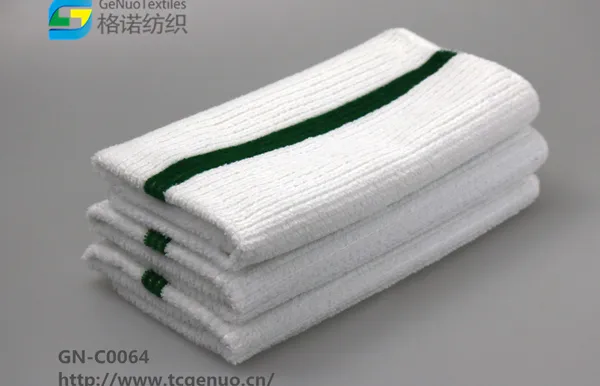



 Phone
Phone